My Fifty-Word Story Published Today 🎊

Super excited that my fifty-word story was published today at 50 Give or Take. It will also appear in the yearly 50 Give or Take anthology. Read my story below, subscribe to get a daily delivery of a story to your inbox, and consider submitting your own stories. Learn more at: clickety-click.

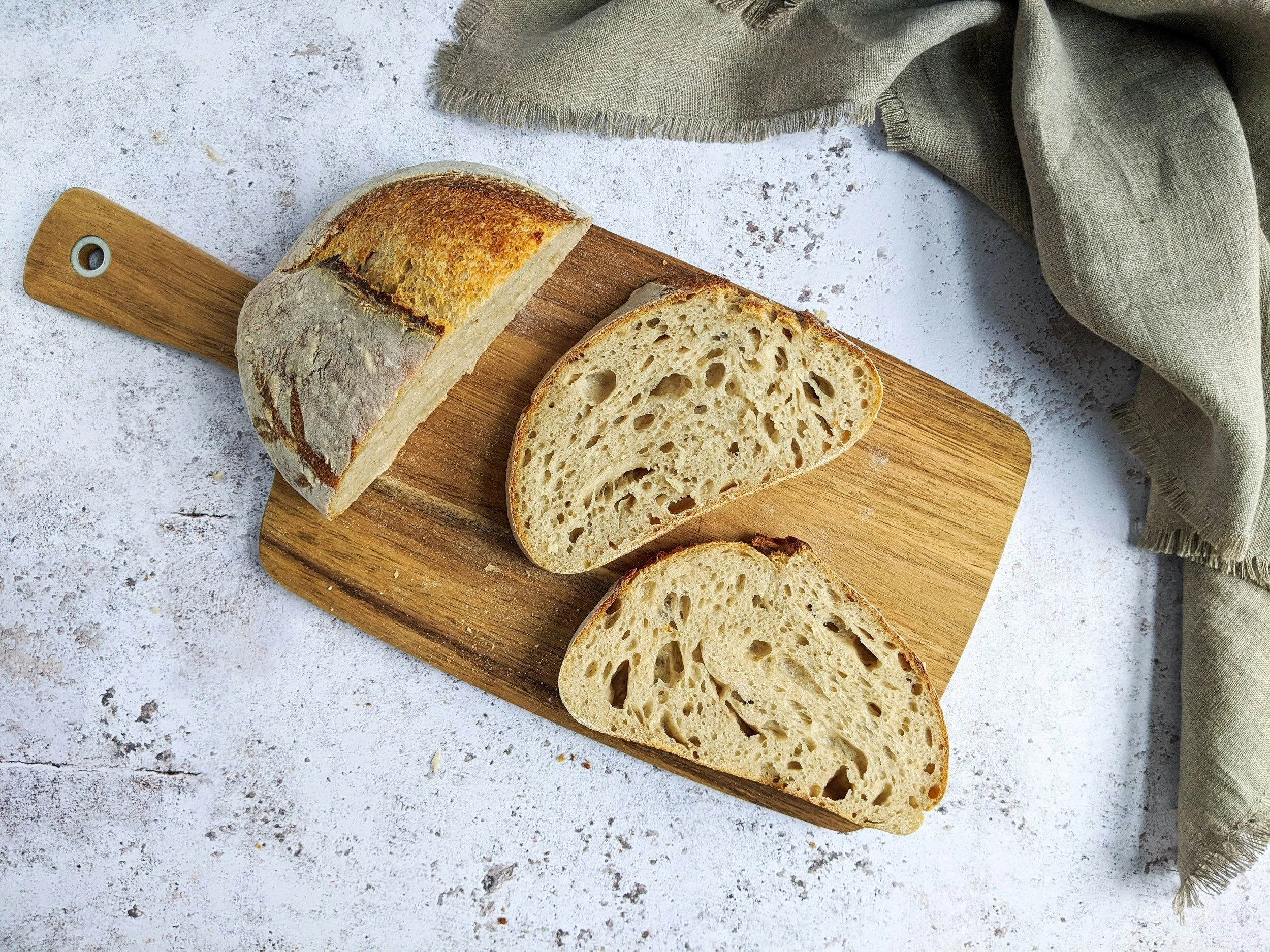
“Stone Fruit”


Fragrant, like edible roses. I wish I’d drawn them first. I wish I’d gotten more than four.

I ate around the stones. I ate them one after another, over the sink, making happy sounds.

Truth be told, I’m standing there still, marked with sticky sweet juice as the world burns.


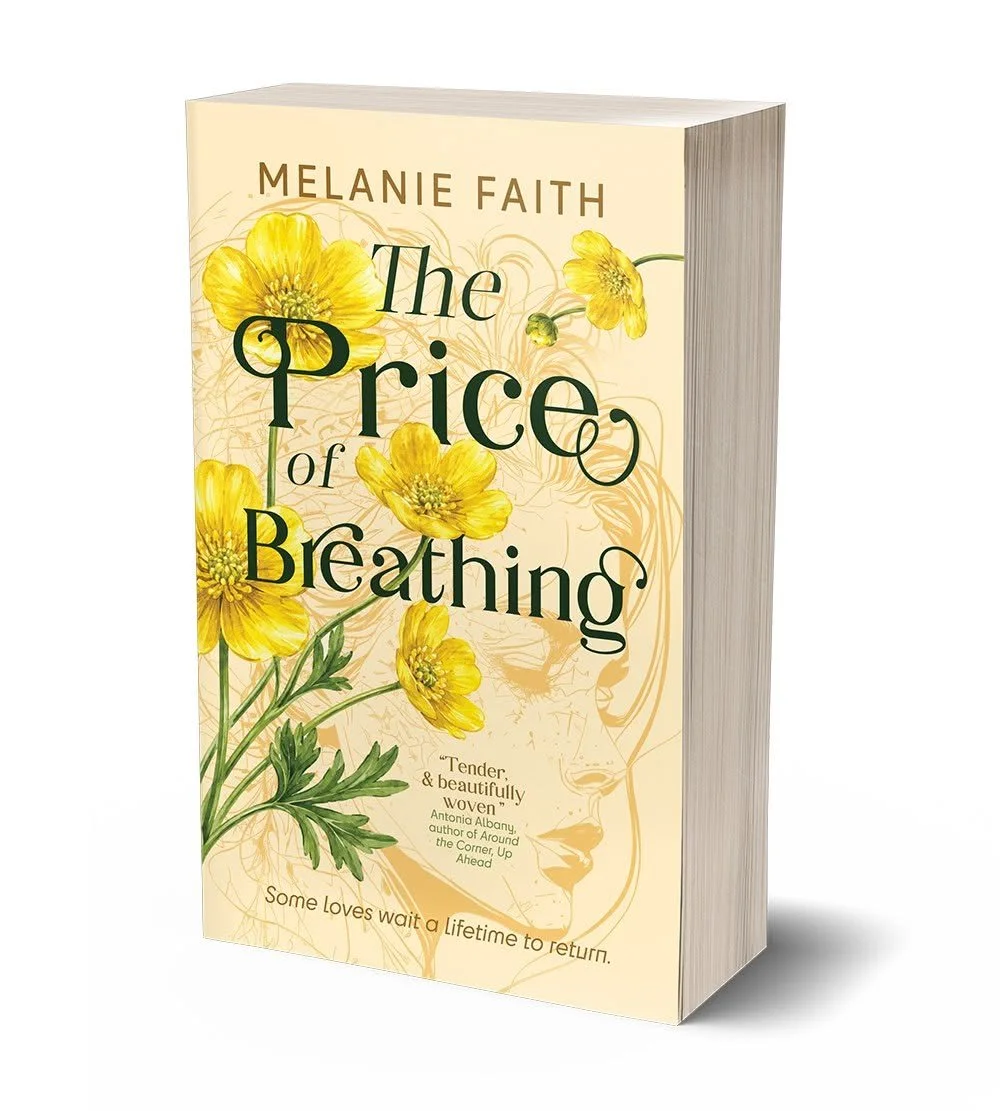
Melanie Faith loves film cameras and naps. Her latest book of poetry is The Price of Breathing .

Love to Doodle? Have I Got a Class for You! ✍️

Have you always liked to doodle? Wish you could draw more in a low-key, freeing, self-directed way? Like making marks on the page for the pleasure of it? Now that summer has arrived, I’m super excited to share that I’ll be teaching a super fun online class in August. I’d love to work with you and a friend; mark your calendars. Sign-ups now open. 🥳

Here’s the scoop on my new four-week class, Drawing Doodle Comics for Fun and Enrichment: clickety-click.

Class description: COURSE DESCRIPTION:

Love to doodle or draw but haven’t drawn for a while? Or want to learn a new skill that is rich in narrative and creativity-building skills? Find comics entertaining and interesting? Want to depict memorable small moments from your own life or a character’s life for the joy of recording memories and everyday absurdities that amuse you? Or learn a few techniques that pleasantly blur the lines between drawing and diary? If the answer is yes to any of these questions, welcome aboard!

Nonfiction comics are a delightful blend of story compression, dialogue, drawings, and theme. Comics are an ever-malleable form that can encompass journal entries, a comic strip, experimentation with writing about the self as a character, and so much more.

Photography Published at Flowers of the Field! 🥳

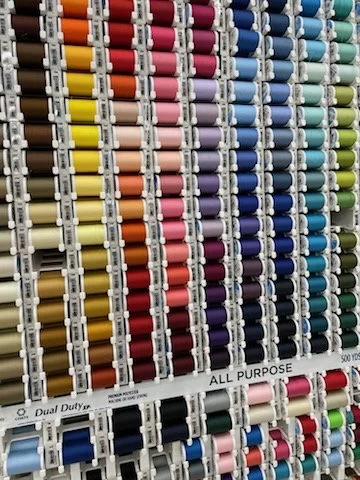
Excellent artistic news! I’ve had a poem and photography published at the most recent issue of Flowers of the Field! From delicious, decadent chocolates to flowers to spools of thread and more, it’s a pleasure to get to share these shots from my camera. 📸Their next issue has a “joy” themed: clickety-click for guidelines. To this continued creative life!

Exciting News! Cover Reveal and Pre-Order Link! 💃

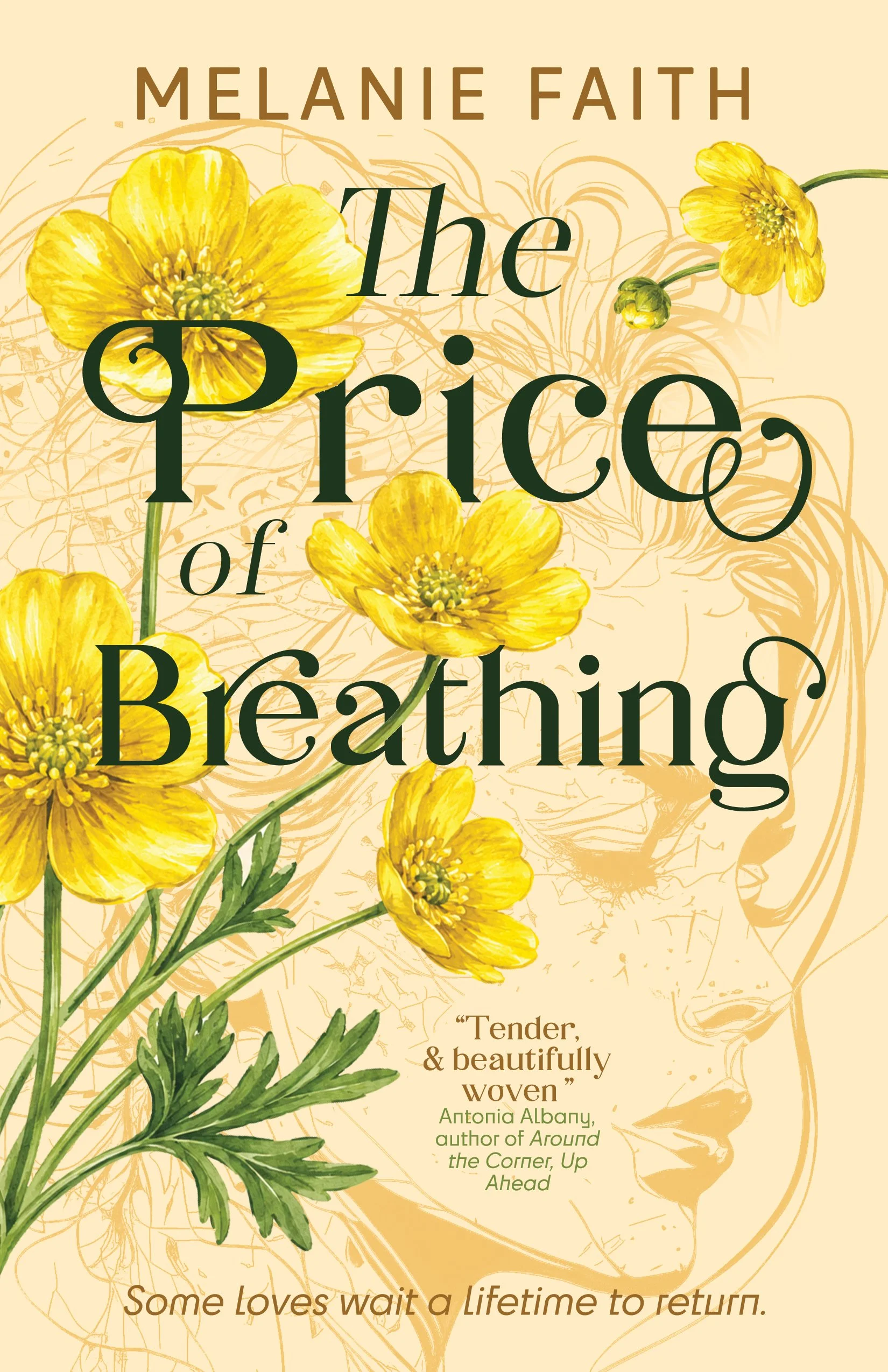
Super delighted to get to share the gorgeous cover for my latest poetry collection, The Price of Breathing.

Read more about the book’s plot and pre-order today at this link: Clickety-click to Vine Leaves Press!

Can’t wait to share this book for its book birthday in September, and many thanks to Vine Leaves Press and multitalented publisher Jessica Bell for this amazing cover design. I couldn’t be happier! Catch more of Jessica’s fabulous designs—I heartily recommend her work if you’re looking for a book designer or have a friend who is.

My Short Story Published at Grande Dame Literary & Art Journal 🥳

Thrilled to announce that my short story, “Mama’s Favorite,” was published at Grande Dame Literary & Art Journal. ✍️

Here’s an opening excerpt:

"She wanted you to have it,” Randall says. He holds it out, between us.

What can you say to that?

I move my hip from blocking the doorway. “Come in,” I say.

I let him scooch around me. He looks really good—he’s lost a few pounds and just had a haircut. And he smells even better: woodsy, warm, and clean. I can’t take a chance he’ll “accidentally” touch his hand against mine in the hand-over.

The cutting board is made of walnut. I already have two: one I got for my first apartment before we met, one I got when I cleaned out Nan’s house, but I don’t tell Randall that. I flash back to the first Thanksgiving we went over to Mama Lainie’s. She put me to work paring and dicing the celery, which was a relief because that’s about all I knew how to do. Mama Lainie was always great that way—she could size you up without making you feel weird about it and place you exactly where you’d do your best work.

Randall sits it on the counter next to the juicer.

“You got new Formica,” he says. Never content to just let it be. “When’d you get that?”

Clickety-click to read it all (and check out the other amazing stories they publish): here

Photo courtesy of Debbie Widjaja on Unsplash free-stock

Far Villages Poetry-Craft Anthology--April Sale! 🥳

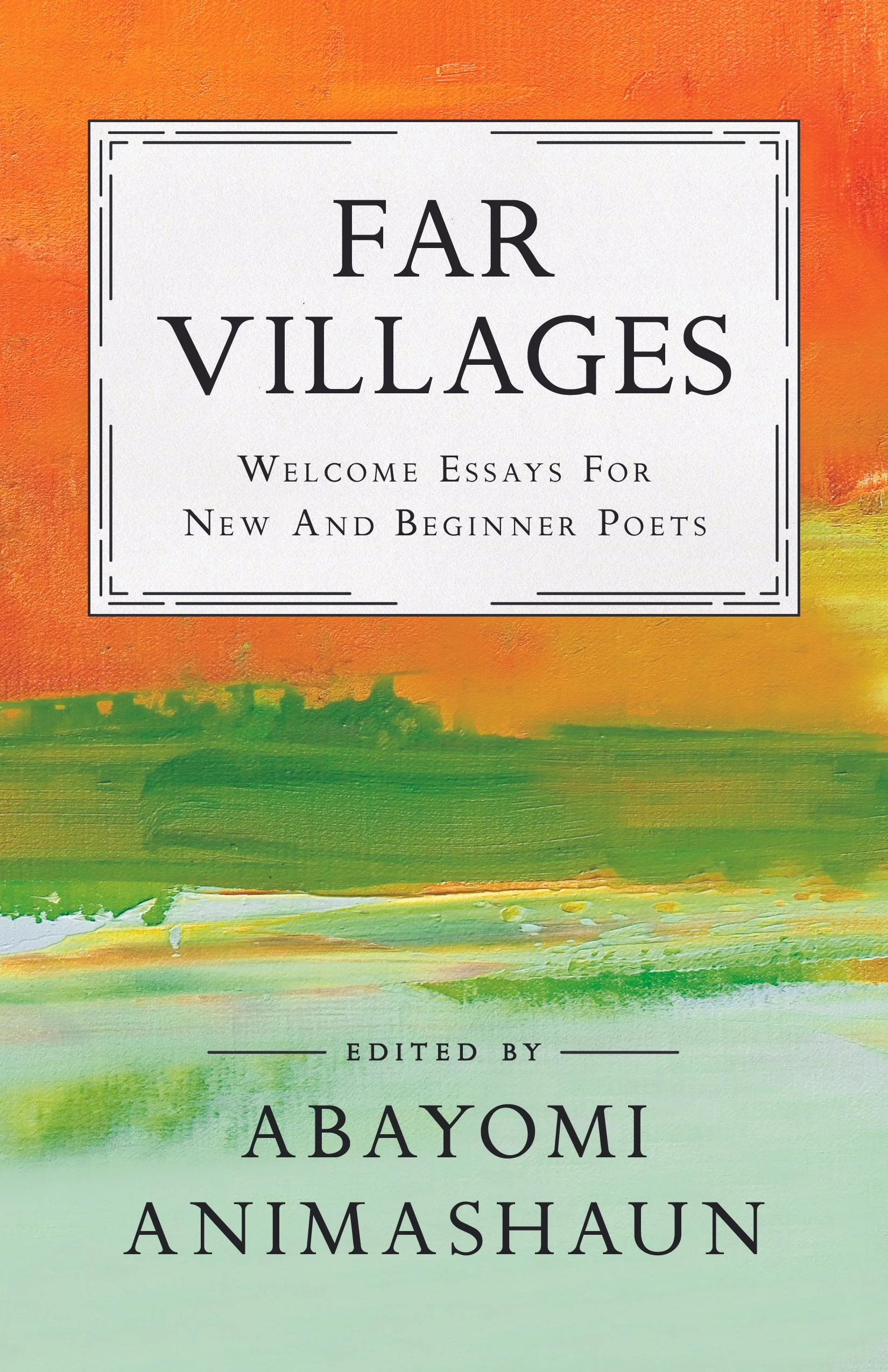
A few years ago, I had the great pleasure of being included in a wonderful poetry craft-essay volume, called Far Villages: Welcome Essays for New & Beginner Poets. The volume was edited by talented Abayomi Animashaun through the marvelous Black Lawrence Press.

If you’re a poet, an educator, an interested reader who wants to learn more about the poetic craft, and/or are looking for a gift that’s sure to bring much inspiration to the poets in your life, I highly recommend this anthology. It’s the kind of book you’ll want to keep on a close shelf to page through for motivation and ideas.

Get your copy now—it’s on sale through this month while supplies last. Clickety-click! Write on!

An Article & A Poem Published!😊

Excited to announce that:

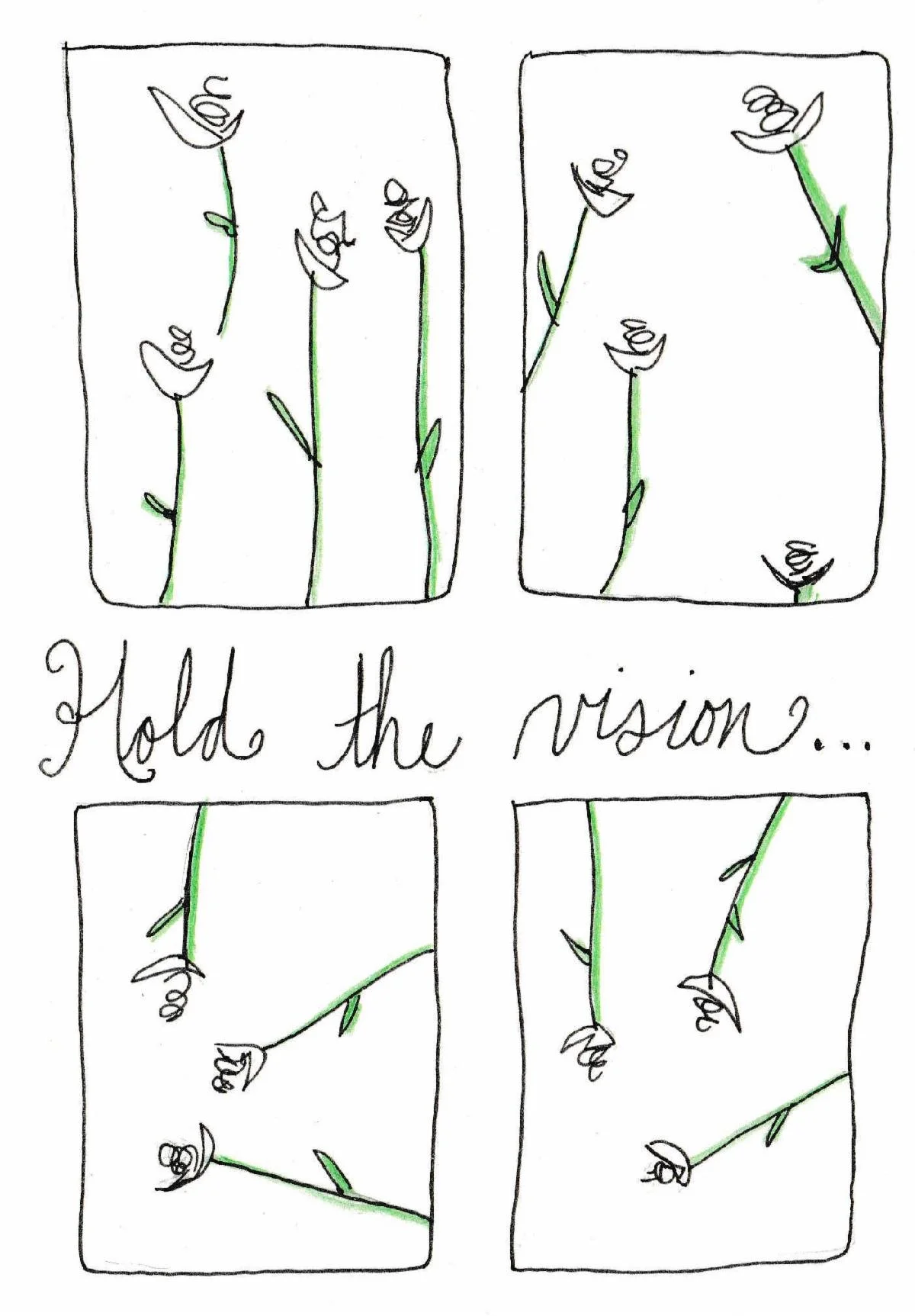
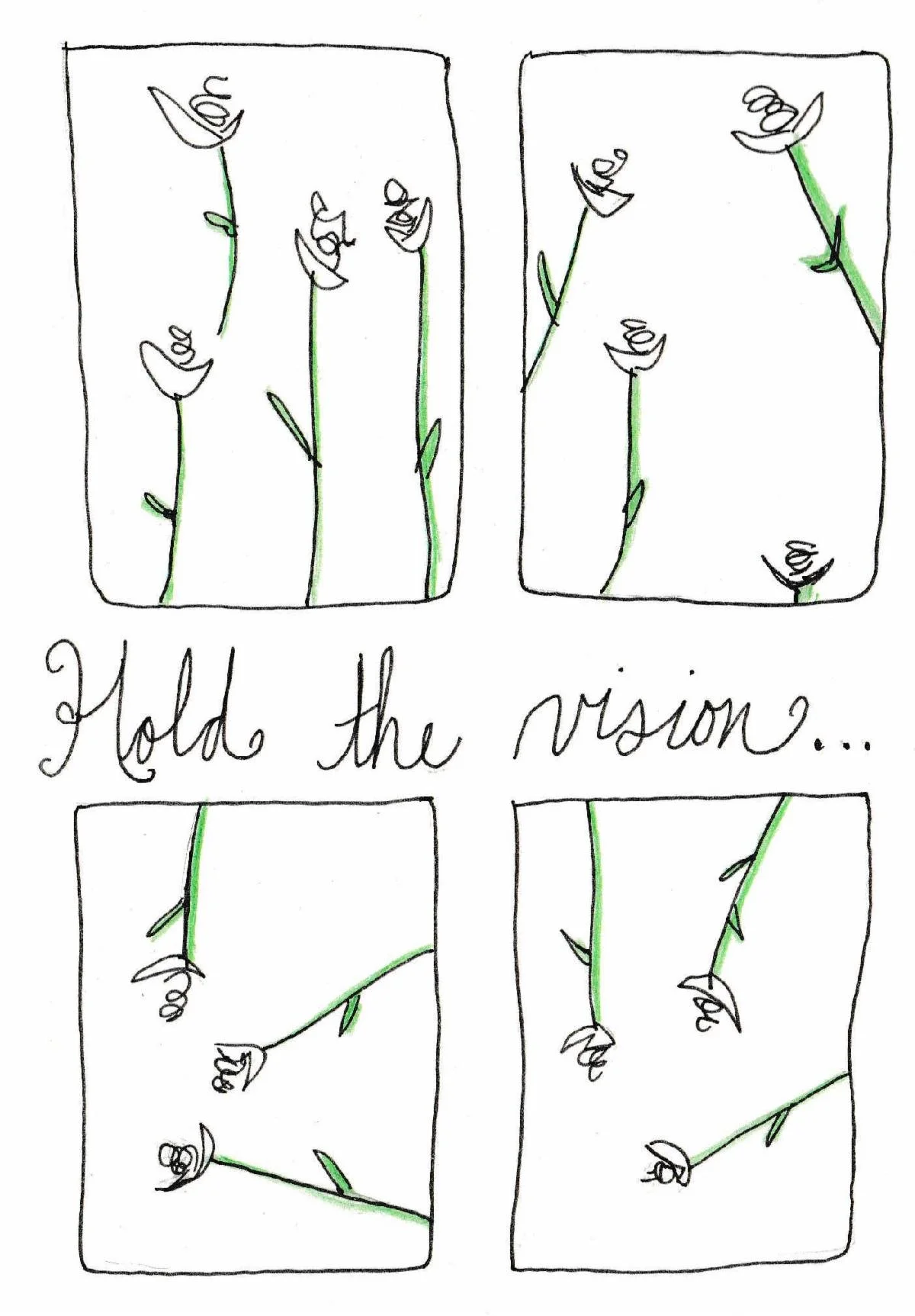
Doodle by yours truly.

·         An article I wrote (about writing more without stressing about it) was published in the WOW March 2026 Markets Newsletter.

·         A poem of mine about a science toy, “Newton’s Cradle,” was accepted and published at a great new venue, Flowers of the Field.

·         Looking for a very fun new online class? Check out: Your Time to Write! Starts Monday, March 16th. Sign-ups open!

To this continued writing life!😊

Courtesy of Women on Writing

My Food-Themed Article Published Today! 🍓

So happy that my latest article was published at Women on Writing today!

Fabulous Food Lingo and 5 Sumptuous, Savory Prompts to Try 

By Melanie Faith

Most writers are word lovers. We delight in the fun of stringing each little consonant cluster together. 

What might writers adore just as much as the flair of finding just the right synonym or antonym to tell our tales? What pairs well with an appetizer of theme and a garnish of motif and a heaping helping of diction choices with a fresh ooey-gooey slice of second-draft pie? 

Why, food, of course!

Food combines a topic that is both highly relatable and rigorously individualistic. Food writing promises: Sure, we’ve all had salad, but we’ve not all described this heavenly pasta salad from Café Romano on Spruce Street or that delectable BBQ Uncle Ross used to bring to every family function with a tangy sauce so top-secret aunts, uncles, and several second cousins are still trying to figure out and reproduce it (almost successfully) for each year’s reunion. 

Food is inextricably connected to memory, place, and time. Food is both growing up and growing into our better selves. 

Food is also undeniably literary. From Proust’s super famous madeleine to the descriptions of bread, cookies, and cakes (along with those mouth-watering photos) in your favorite print cookbooks or online recipes, food is tied to expression, especially self-expression in relation to our connections with others. Food is also the guilty pleasure stashed in the top or back shelf of the pantry (Shh…, I won’t tell). 

Yes, just like writing, the foods and meals we make, buy, and/or share (or keep for ourselves) provide endless possibilities for creativity—from the individual ingredients to the finished dish on the platter someone gave to great grandma so long ago no one knows where she acquired it but now this treasure is yours.  

We often speak of food enthusiastically in conversation with family and friends, so why not write about food the same way?

Try a few of these ideas the next time you’re searching for something to write and want to get words flowing in yummy formation:

Food-jar fiesta: Get a glass jar (recycled or new) and fill it with scraps of food phrases, one on each small piece of paper. Or page through a print cookbook for topic ideas. Love surprises? Get a friend, partner, child, or fellow writer to contribute ideas to the jar for you. Draw one scrap a week for a free-write. If you really enjoy choosing from the jar (like the best sweets, it can get kind of addictive), feel free to dip into it a few times a week. Once you’ve worked your way through the jar, reload it and write on!  

Make a food-word alphabet: Write A-Z down the left-hand side of a piece of paper. Quickly jot down any food-related word you can think for each letter. Feel free to do a second draft of this list where you use a search engine to add additional words to the list from recipes, cookbooks, or watching cooking shows. Keep this list handy at your desk for future free-writes.

The recipe nobody wants: Write down four or five places where people meet. Then, pick one as your setting. Write for fifteen minutes about a recipe that your character doesn’t want and that others don’t want to eat, and yet…circumstances or traditions dictate they must make and eat this dish. Include body language and some dialogue in a second draft. This prompt is great for exploring tone—from humor to dread—and an excellent way to practice describing various textures of foods we don’t enjoy. 

The nose knows: Write for 15 minutes about a food you would recognize anywhere, from smell alone. This is a great way to practice descriptive writing and making your readers hungry! 

Ask, and it’s yours: Write down a few food-related questions to ask someone in your family or friend circle. Conduct an informal interview where you supply the treats (or a favorite meeting-place does) and you take notes on your friend’s (and your own!) answers one afternoon. You can also do this exercise as a free-write and then swap each other’s answers to read aloud after writing. Some fun options may include: asking if they recall a favorite food or recipe from growing-up years and its origin; asking how, when, or where they learned to cook; asking them to describe a recipe they made that went wrong and what happened (be ready to laugh). This exercise can also be repeated at various times of year, with both longtime friends and new.

Also, check out my latest online writing class (beginning Friday, Oct. 10th): clickety-click.
Courtesy of Women on Writing.

My Article, "4 Epic Takeaways from Myths, Fairytales, and Folktales to Apply to Your Writing," Published Today! 🎉

Splendid news: I’ve had a craft article published today at Women on Writing. The topic is a very fanciful and fun one: “4 Epic Takeaways from Myths, Fairytales, and Folktales to Apply to Your Writing.”

Ta-da!

“4 Epic Takeaways from Myths, Fairytales, and Folktales to Apply to Your Writing”

by Melanie Faith

Stories based on myths, fairytales, and folktales have interested readers and have seen a remarkable resurgence in popular fiction and bestselling novels in recent years.  Authors like Sarah J. Maas of A Court of Thorns and Roses series fame and Madeline Miller’s Circe are household names.

First, let’s explore some exciting reasons why writers and readers alike find these stories compelling and inspiring.

·         They reignite our childhood imaginations. Most writers and readers fondly remember their favorite mythic characters. We grew up on their adventures, and it felt like we grew up with them, too.  Whether it was Cinderella, Little Red Riding Hood, The Frog Prince, or other Brothers Grimm fairy-tale protagonists or Hans Christian Andersen’s Thumbelina, The Little Match Girl, The Emperor’s New Clothes, The Ugly Duckling, The Wild Swans, or The Snow Queen, these stories populated library shelves and bookshelves in our rooms that take us back to our earliest days of being read to and reading on our own.

·         They connect us with timeless stories of human emotion. All of those bedtime stories influenced us as creative thinkers and helped us to learn empathy. I remember a Little Golden Book copy of Hansel and Gretel my dad used to read to us for bedtime stories that I begged to hear over and over, even though it also completely freaked me out with its tender, lost brother-and-sister duo, the gingerbread-house-residing scary witch, and that terrifying oven. I also remember well the beautiful, far-less-frightening treasury of children’s folktales with Rapunzel’s long, long tresses descending and dangling from a fortress tower.

·         They represent our heritages. Myths, fairytales, and folktales are popular throughout the world and in every culture. They feel embedded in our DNA almost. They transmit the values and customs appreciated within a culture. Whether these stories are translated into many languages or remain in their language of origin, they often share commonalities in theme, tone, and plot. Human nature explored with drama and humor and warnings and hope against all odds. These stories can sometimes offer well-paced and satisfying closure we seldom get in everyday life.  

·         They give us other worlds to retreat to and to savor in the midst of turbulence and turmoil. They are epic recreations of stress and struggle with protagonists with whom we can identify. They also give us deeper insight into our own times and our place within them. These are some of the many reasons why stories based on Greek and Roman myths as well as entirely new world-building settings continue to flourish.


What can we take from fairytales to apply to our own writing? Try these four tips:

·         Every protagonist needs a sufficiently powerful antagonist to contend with. If the antagonist doesn’t unleash enough consequences and trouble, the protagonist won’t need to rise to the occasion to protest and triumph. Make sure your antagonists cause enough conflict in your narrative. This is one of the most common reasons for ho-hum fiction that gets rejected. What is your protagonist’s worst fear? That should inform your antagonist’s next moves.

·         When the chips are down, they are never completely defeated. Make sure the larger implications of the conflict are explored in vivid detail so that your readers can imagine the anxious situation and feel it as they read. Embed a small foreshadowed detail to maintain the hope that eventually will prevail.  

·         Setting is significant. Nothing should happen in a vacuum. Where and when a story takes place are vital elements to good storytelling. Add visual images, references to music and art and books and important popular culture of the time, and landscape or architectural details to flesh out scenes, especially near the beginning of a longer work to create vibrant context. Research settings and eras with an eye towards intriguing tidbits to share in your tale. Readers really want to feel like they, too, are stepping into and roaming around the protagonist’s authentic world.   

·         Protagonists don’t need to say a lot at once to have a big impact. Actions and reactions are just as important, if not more so, than dialogue. Definitely write conversations into your tale, but keep dialogue as direct, pertinent, quickly paced, and resonant as possible. Protagonists don’t have time for long-paragraph speeches and explanations before springing into action. The clock is tick-tick-ticking! Show their determination and concern with their actions, rather than their pronouncements.  


The next time you open your draft-in-progress, consider applying these tips to create more vital, vibrant prose. Also, join us for my new upcoming course with further tips about crafting your own riveting protagonists and worlds that will keep readers returning again and again.

Want to learn more? Writing the Mythic: Penning Prose Exploring Myths, Fairytales, and/or Folktales starts on Friday, April 18th. I’d love to have you join us. 😊

Beautiful illustrations courtesy of Women on Writing.

My Dramatic Monologue Published! 🎉

Excellent news! A poem of mine with a new character in a historical poetry series I’ve been working on was just published today at Songs of Eretz!

Check out the poem, and then head over to the issue to read my complete notes about the poem, to see a historical photograph of an iron lung, and to read the work of the talented fellow poets in the issue, which is dedicated to dramatic monologues. 🎉

Flora in the Iron Lung and the Mirror

Melanie Faith


I don’t want to be a complainer. It’s good,

it’s exceedingly good that you’re here. You

came all this way. You look well. You look

so handsome, but then, you always did. I wish

I could reach out of this machine and touch you

after all this time. I wish… well,


let me dwell on something

easier. Let me tell you something nice

Sister Mary Joseph, the afternoon nurse, did.

She’s the young one who wrote to you. Yes,

her penmanship is impeccable. Well,

she sat reading to me. One day,

out of nowhere, she stopped

mid-sentence, and she looked over


and something like sunlight broke over

her face: You know, I see no reason why

we couldn’t jimmy-rig a mirror

right up here. She put the book

upside-down on her seat. That’s how

my machine grew this mirror. She left the room,

came right back.


Sister Mary Joseph’s the tall one—

you haven’t met her—

it didn’t take much for her to reach up and

add it to my machine. You could call it

a fancy modification for my entertainment,

my instant twin and constant company.

I make faces at myself now

into the long hours when there’s nobody

and nothing else.


You’d be surprised on

an endless stretch of days, how many faces

you can pull—butterfly-pinned as I am

inside this darned machine—with just a nose,

two lips, a tongue, and two eyes that

never stop seeing.


Poet’s Notes: This poem is a part of a recent collection I’m working on writing about (among other things): an iron lung, a librarian, and a love triangle. This poem explores polio patient Flora, whose childhood flame, Harry, visits her sickbed. This visit sets off the conflict between Harry and his current love, Helen (the protagonist librarian).   

Read the rest at Songs of Eretz, Winter issue.