Love to Doodle? Have I Got a Class for You! ✍️

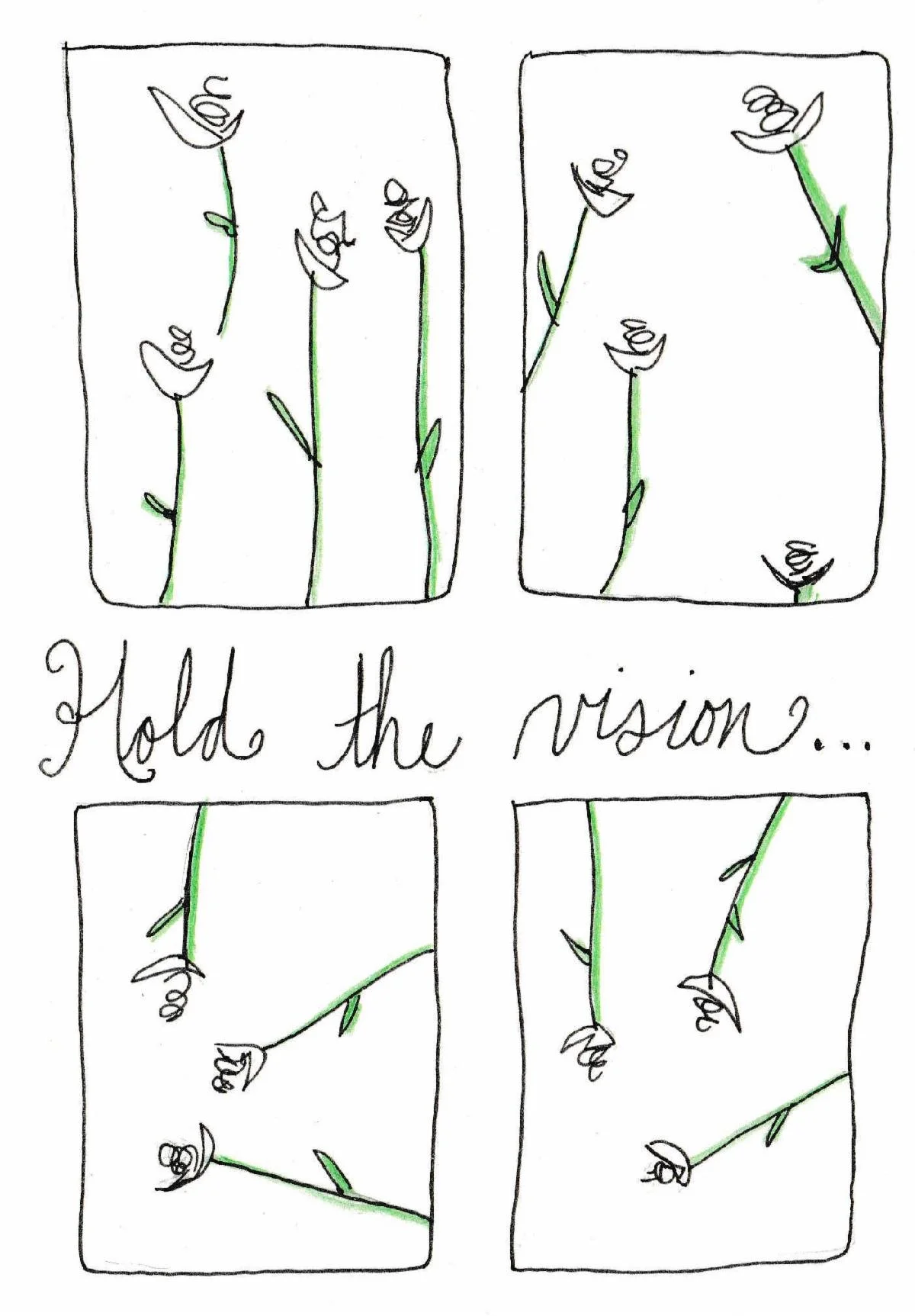
Have you always liked to doodle? Wish you could draw more in a low-key, freeing, self-directed way? Like making marks on the page for the pleasure of it? Now that summer has arrived, I’m super excited to share that I’ll be teaching a super fun online class in August. I’d love to work with you and a friend; mark your calendars. Sign-ups now open. 🥳

Here’s the scoop on my new four-week class, Drawing Doodle Comics for Fun and Enrichment: clickety-click.

Class description: COURSE DESCRIPTION:

Love to doodle or draw but haven’t drawn for a while? Or want to learn a new skill that is rich in narrative and creativity-building skills? Find comics entertaining and interesting? Want to depict memorable small moments from your own life or a character’s life for the joy of recording memories and everyday absurdities that amuse you? Or learn a few techniques that pleasantly blur the lines between drawing and diary? If the answer is yes to any of these questions, welcome aboard!

Nonfiction comics are a delightful blend of story compression, dialogue, drawings, and theme. Comics are an ever-malleable form that can encompass journal entries, a comic strip, experimentation with writing about the self as a character, and so much more.

Photography Published at Flowers of the Field! 🥳

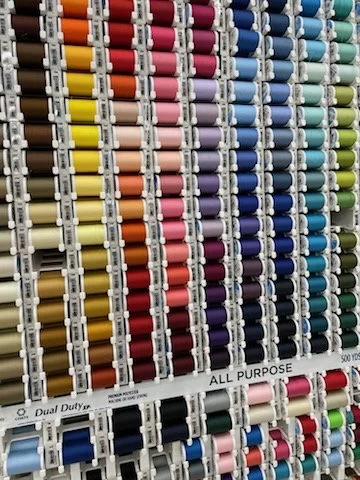
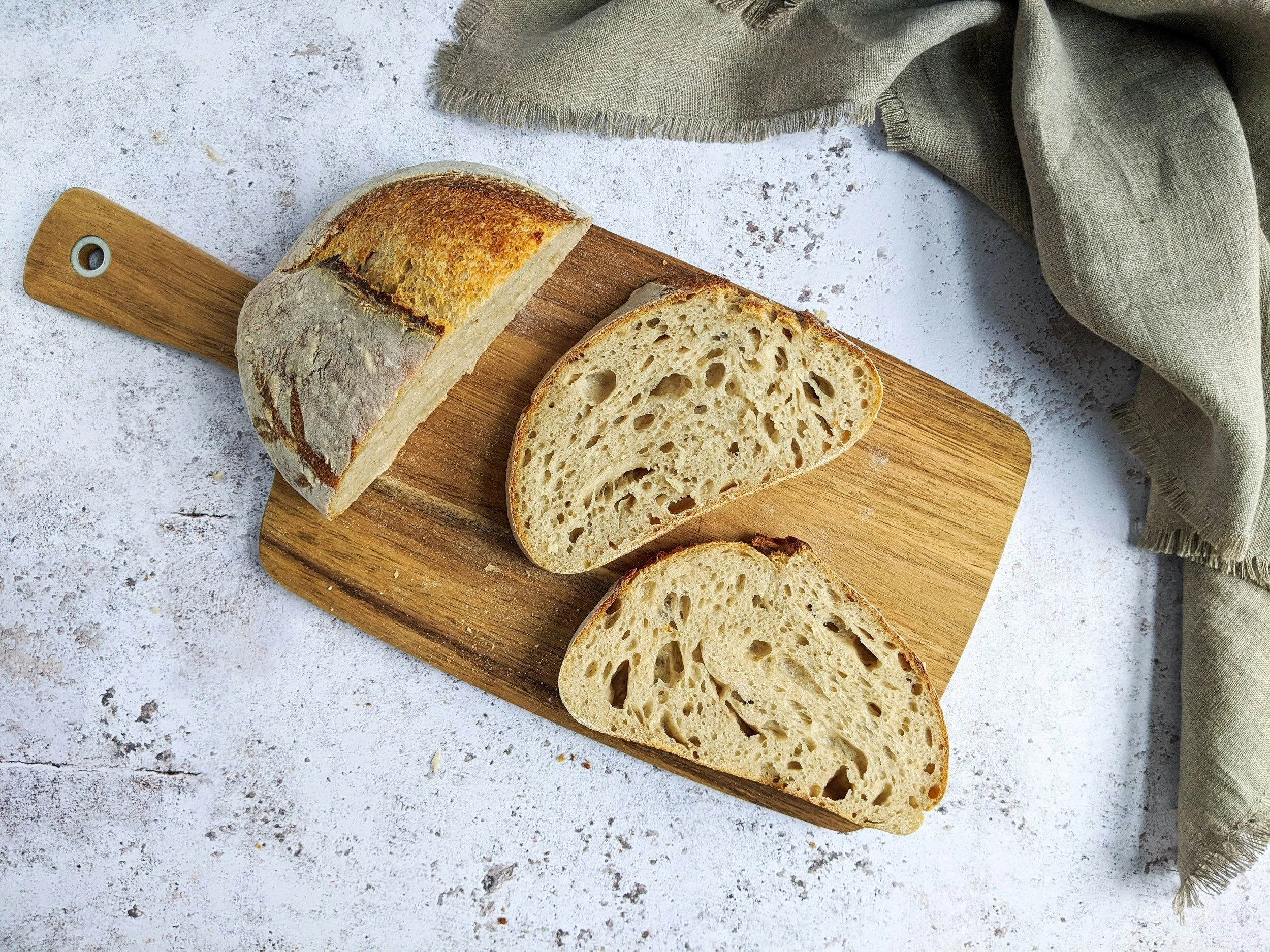
Excellent artistic news! I’ve had a poem and photography published at the most recent issue of Flowers of the Field! From delicious, decadent chocolates to flowers to spools of thread and more, it’s a pleasure to get to share these shots from my camera. 📸Their next issue has a “joy” themed: clickety-click for guidelines. To this continued creative life!

My Short Story Published at Grande Dame Literary & Art Journal 🥳

Thrilled to announce that my short story, “Mama’s Favorite,” was published at Grande Dame Literary & Art Journal. ✍️

Here’s an opening excerpt:

"She wanted you to have it,” Randall says. He holds it out, between us.

What can you say to that?

I move my hip from blocking the doorway. “Come in,” I say.

I let him scooch around me. He looks really good—he’s lost a few pounds and just had a haircut. And he smells even better: woodsy, warm, and clean. I can’t take a chance he’ll “accidentally” touch his hand against mine in the hand-over.

The cutting board is made of walnut. I already have two: one I got for my first apartment before we met, one I got when I cleaned out Nan’s house, but I don’t tell Randall that. I flash back to the first Thanksgiving we went over to Mama Lainie’s. She put me to work paring and dicing the celery, which was a relief because that’s about all I knew how to do. Mama Lainie was always great that way—she could size you up without making you feel weird about it and place you exactly where you’d do your best work.

Randall sits it on the counter next to the juicer.

“You got new Formica,” he says. Never content to just let it be. “When’d you get that?”

Clickety-click to read it all (and check out the other amazing stories they publish): here

Photo courtesy of Debbie Widjaja on Unsplash free-stock

My Poem Featured 😊👍

Such a joy to be part of my friend Lee Ann Berardi Smith’s wonderful videos that celebrate National Poetry Month! Lee Ann has shared other poems of mine going back to the early days of the pandemic, and it’s such a pleasure to hear her read from my work.

Check out this video, where she reads my poem, “Matteo Runs Ahead,” as well as her other fantastic videos celebrating the art of poetry and many talented poets this month.

Clickety-Click

Free-stock Photo courtesy of Daiji Umemoto on Unsplash

On the Magic of Making New Work🎉

If you're thinking about taking a class to make time for your art and self-expression and creativity again, this is your gentle nudge to go for it! 😊

Shape-making for the win.


Like most photographers, I’m used to taking shots of others and of landscapes, not so much in front of the camera.


For the past 2 1/2 weeks, I’ve been a student in a wonderful photography class  @illuminateclasses called Self-Portraits for Growth, taught by the fabulous @itsamyliz .


This course has been magnificent for centering me in my body and also breaking open my vulnerability and artistic daydreams within my photographic process. It’s taking my photography to an exciting, evolving new level. 📸


You could try.

It’s been an absolute joy to see the work created by the many talented, inspiring photographers and to take photographs with intention and personal and artistic growth in mind again. 💗


Here are a few of the shots I’ve made during the course as I make a new body of work.

I aim to sustain a regular photography practice again.


I also want to take the many insights I’ve gleaned from the written exercises, photography tips, the trial-and-error process along the way, double-exposure making, slow-shutter making, and more into creating more narrative-rich, fun photos in the future. .


Practicing any art—and especially practicing multiple arts—returns pieces of ourselves to ourselves and gives us new tools for expressing what we normally don’t. Tremendous gifts to unwrap and enjoy.

All that gold. 🍂


To continued inspiration!


My Food-Themed Article Published Today! 🍓

So happy that my latest article was published at Women on Writing today!

Fabulous Food Lingo and 5 Sumptuous, Savory Prompts to Try 

By Melanie Faith

Most writers are word lovers. We delight in the fun of stringing each little consonant cluster together. 

What might writers adore just as much as the flair of finding just the right synonym or antonym to tell our tales? What pairs well with an appetizer of theme and a garnish of motif and a heaping helping of diction choices with a fresh ooey-gooey slice of second-draft pie? 

Why, food, of course!

Food combines a topic that is both highly relatable and rigorously individualistic. Food writing promises: Sure, we’ve all had salad, but we’ve not all described this heavenly pasta salad from Café Romano on Spruce Street or that delectable BBQ Uncle Ross used to bring to every family function with a tangy sauce so top-secret aunts, uncles, and several second cousins are still trying to figure out and reproduce it (almost successfully) for each year’s reunion. 

Food is inextricably connected to memory, place, and time. Food is both growing up and growing into our better selves. 

Food is also undeniably literary. From Proust’s super famous madeleine to the descriptions of bread, cookies, and cakes (along with those mouth-watering photos) in your favorite print cookbooks or online recipes, food is tied to expression, especially self-expression in relation to our connections with others. Food is also the guilty pleasure stashed in the top or back shelf of the pantry (Shh…, I won’t tell). 

Yes, just like writing, the foods and meals we make, buy, and/or share (or keep for ourselves) provide endless possibilities for creativity—from the individual ingredients to the finished dish on the platter someone gave to great grandma so long ago no one knows where she acquired it but now this treasure is yours.  

We often speak of food enthusiastically in conversation with family and friends, so why not write about food the same way?

Try a few of these ideas the next time you’re searching for something to write and want to get words flowing in yummy formation:

Food-jar fiesta: Get a glass jar (recycled or new) and fill it with scraps of food phrases, one on each small piece of paper. Or page through a print cookbook for topic ideas. Love surprises? Get a friend, partner, child, or fellow writer to contribute ideas to the jar for you. Draw one scrap a week for a free-write. If you really enjoy choosing from the jar (like the best sweets, it can get kind of addictive), feel free to dip into it a few times a week. Once you’ve worked your way through the jar, reload it and write on!  

Make a food-word alphabet: Write A-Z down the left-hand side of a piece of paper. Quickly jot down any food-related word you can think for each letter. Feel free to do a second draft of this list where you use a search engine to add additional words to the list from recipes, cookbooks, or watching cooking shows. Keep this list handy at your desk for future free-writes.

The recipe nobody wants: Write down four or five places where people meet. Then, pick one as your setting. Write for fifteen minutes about a recipe that your character doesn’t want and that others don’t want to eat, and yet…circumstances or traditions dictate they must make and eat this dish. Include body language and some dialogue in a second draft. This prompt is great for exploring tone—from humor to dread—and an excellent way to practice describing various textures of foods we don’t enjoy. 

The nose knows: Write for 15 minutes about a food you would recognize anywhere, from smell alone. This is a great way to practice descriptive writing and making your readers hungry! 

Ask, and it’s yours: Write down a few food-related questions to ask someone in your family or friend circle. Conduct an informal interview where you supply the treats (or a favorite meeting-place does) and you take notes on your friend’s (and your own!) answers one afternoon. You can also do this exercise as a free-write and then swap each other’s answers to read aloud after writing. Some fun options may include: asking if they recall a favorite food or recipe from growing-up years and its origin; asking how, when, or where they learned to cook; asking them to describe a recipe they made that went wrong and what happened (be ready to laugh). This exercise can also be repeated at various times of year, with both longtime friends and new.

Also, check out my latest online writing class (beginning Friday, Oct. 10th): clickety-click.
Courtesy of Women on Writing.

My Dramatic Monologue Published! 🎉

Excellent news! A poem of mine with a new character in a historical poetry series I’ve been working on was just published today at Songs of Eretz!

Check out the poem, and then head over to the issue to read my complete notes about the poem, to see a historical photograph of an iron lung, and to read the work of the talented fellow poets in the issue, which is dedicated to dramatic monologues. 🎉

Flora in the Iron Lung and the Mirror

Melanie Faith


I don’t want to be a complainer. It’s good,

it’s exceedingly good that you’re here. You

came all this way. You look well. You look

so handsome, but then, you always did. I wish

I could reach out of this machine and touch you

after all this time. I wish… well,


let me dwell on something

easier. Let me tell you something nice

Sister Mary Joseph, the afternoon nurse, did.

She’s the young one who wrote to you. Yes,

her penmanship is impeccable. Well,

she sat reading to me. One day,

out of nowhere, she stopped

mid-sentence, and she looked over


and something like sunlight broke over

her face: You know, I see no reason why

we couldn’t jimmy-rig a mirror

right up here. She put the book

upside-down on her seat. That’s how

my machine grew this mirror. She left the room,

came right back.


Sister Mary Joseph’s the tall one—

you haven’t met her—

it didn’t take much for her to reach up and

add it to my machine. You could call it

a fancy modification for my entertainment,

my instant twin and constant company.

I make faces at myself now

into the long hours when there’s nobody

and nothing else.


You’d be surprised on

an endless stretch of days, how many faces

you can pull—butterfly-pinned as I am

inside this darned machine—with just a nose,

two lips, a tongue, and two eyes that

never stop seeing.


Poet’s Notes: This poem is a part of a recent collection I’m working on writing about (among other things): an iron lung, a librarian, and a love triangle. This poem explores polio patient Flora, whose childhood flame, Harry, visits her sickbed. This visit sets off the conflict between Harry and his current love, Helen (the protagonist librarian).   

Read the rest at Songs of Eretz, Winter issue.

My Craft Article Published Today: "Build Better Beginnings: from Throat-Clearing to Motor-Running Fiction!" 🎃

Splendid news! I’m excited that my craft article, “Build Better Beginnings: from Throat-Clearing to Motor-Running Fiction,” was published today as part of the WOW! Women on Writing Market Newsletter.

Also, check out the amazing interview with Paula Munier (by Donna Judith Essner), the literary markets actively seeking submissions of writing, and so many more literary resources to spark your writing.

I also had the chance to contribute two seasonal photos to the article, including this one.

Here’s a fun excerpt. “First drafts of narratives frequently gain momentum a few pages or a chapter in, but readers must be entertained from the start or else they don’t continue reading. Let’s take a few looks at some splendid, sure-fire ideas for building beginnings that reel in readers.

  • Don’t hold off. Want, want, want, immediately! Unmet desires and needs give the protagonist something to act on and to react against from the get-go. Instead of leading up slowly to the protagonist’s struggle, show the character already struggling in the first scene. Even better if they struggle from the first page.

  • Limit your number of characters in the first pages. A deeper dive into one character—rather than a slower, cocktail-party-style, round-robin introduction—gives your readers a chance to shadow your protagonist and to feel firmly situated into their life and limitations before meeting the entire cast of characters. It’s great to introduce the antagonist early, though, as pushback motivates the protagonist’s need to act.“

Read the rest at: the WOW! Market Newsletter. 🎃

2 of My Poems Published in October Hill Magazine's Fall Issue: Volume 8, Issue 3! 🥳

Photos by yours truly. 🤗

Splendid news to share: two of my poems, “Yellow,” and “Listening to a Grandfather-Clock ASMR Recording after Reading a Short Poem by Lorine Niedecker” were just published in the latest issue of October Hill Magazine!

Check out the opening lines of “Yellow” below, and clickey-click on this link to read the two full poems at the issue, as well as the work of many talented fellow authors as well. Also, consider submitting your own work—they were wonderful to work with.


“Yellow”

today it feels exceptionally good

to use this yellow

marker, to draw it across

the lightly lined page,

just to run as heavy as possible a line

with the fine nib

pressed into the thinner gray line

to mark it off that I’ve already

answered early work emails, had

lunch, cleaned up after, organized

my desk, sorted through a stack of books

for donation, and it feels good, too,

to hover in the air above the page

to think about drawing a sun with wavy rays,

the petals of a sprightly daisy, a compact car

negotiating a curvy road, but then…

[continued at October Hill Magazine: clicky]

In Conversation: Flash Fiction ✍️

I recently had the joy of meeting fellow fictionist and flash writer Jason Brick for a delightful conversation we shared via messages about this art form we love.

Read on for a few excerpts of our lively conversation about flash fiction—including the coolest place Jason’s newsletter has gone and Jason’s bio. Then, check out his newsletter and submit your flash fiction.

Also, my In a Flash craft book from Vine Leaves Press is the perfect holiday gift for yourself and your writer friends for the upcoming holidays!  Buy In a Flash! Writing & Publishing Dynamic Flash Prose  by Melanie at: Vine Leaves Press website

or at: Amazon

Or, for signed copies, Melanie’s Etsy page

Without further ado, the discussion about flash fiction:

Q: What drew you to flash fiction?

Jason: It’s the variety. For the reader and the writer, you’re not committing to a long narrative, so you get to play with genres, styles, crossovers, characters, languages, tropes you otherwise wouldn’t touch with a ten-foot pencil.

Melanie: Flash is super flexible—it combines the narrative and action elements of fiction with attention to poetic language. It’s also compact and helps writers learn compression (which I always need!), integrating language like dynamic verbs and precise imagery, which I find exciting.


Q: What makes flash special or stand out from other literary genres?

Jason: Sort of what I mentioned above. It’s super-short, so there’s more room for variety and creativity than with other lengths of fiction.

Melanie: It combines the best elements of fiction and poetry and yet brings its own special qualities to the table, including a variety of formats and styles.


Q: Tell us about your book in a sentence or two, as if it were a birthday present you were describing.

Jason: Flash in a Flash is just the coolest gift, because I get to open it twice a week! It’s a literary newsletter that puts a super short story - under 1,000 words - in my mailbox every Monday and Thursday! All kinds of genres. All kinds of styles.

And it gets better! I’m a writer, and they’re seeking submissions. So with a little luck I can have my own micro-stories get out into the world. They’re a paying market, too!

Melanie: Very cool. Always great to learn about writing markets, especially those which pay.  My book, In a Flash, sizzles the pen and sparks a thunderstorm of dazzly new ideas that have never crossed your mind before and will continue to deliver awesome exercises and fabulous flash examples that you can return to again and again, at any season of your writing life ahead. You’ll want to keep it handy and gift a friend interested in the genre. 😊


Q: What’s the coolest or wackiest place(s) your book has been read OR where would you like your book to be read? 

Jason: The easy answer is that many people tell me, because of the short time commitment, they keep and read their copy in the bathroom. Besides that, I compiled the first volume in the series while living in Malaysia, so I read several of the submissions while on a boat in a river in Borneo.

Melanie: Wow! Malaysia and a boat in Borneo—so awesome! My favorite place readers have told me my book has traveled is in a gift bag to encourage a friend who has hit writer’s block or who isn’t familiar yet with the joys of flash. Writers are incredibly supportive and kind friends, and I love hearing that my book resonated with a reader so much that they want to gift it to a friend.


Q: Does your book contain exercises for writers? If so, what’s your favorite one that you’d like to share now?

Jason: Not exactly, but anybody can submit…and there is no better writing exercise that finishing a story and submitting it.

Melanie: I love what you say about finishing a story and submitting it. Very encouraging! My book contains a bunch of exercises that writers can use on days when they’re not sure what to write and how to even begin. I love hearing that someone used my exercises to draft a story, submit it for publication, and subsequently received an acceptance letter.


Q: What’s your favorite flash story? Or a flash story that you remember reading and being excited about exploring more in your own writing?

Jason: As of this writing, my favorite remains “The Apocalypse According to Dogs” from my first anthology. It just tickles me.

Melanie: I look forward to checking out that story you mention. The first flash I remember reading and thinking about how amazing it was and wanting to explore more in my own writing was the one often attributed to Hemingway: “For sale: baby shoes, never worn.”  That just hits me in the gut. As a poet as well, the imagery just says it all. That so very much emotions could be contained in six short words is super inspiring and challenging. Every time I read it, I both get the chills AND want to write something that eloquent and that compact.

Bio:
Jason Brick is the skipper at Flash in a Flash, a biweekly newsletter delivering fiction to mailboxes all over the world. When not writing and editing, he travels, cooks, practices martial arts, and spoils his wife and two sons. He lives in Oregon. 

Connect with Jason:

https://www.facebook.com/brickcommajason 

Contact Jason: brickcommajason@gmail.com

Jason’s books and projects