Love to Doodle? Have I Got a Class for You! ✍️

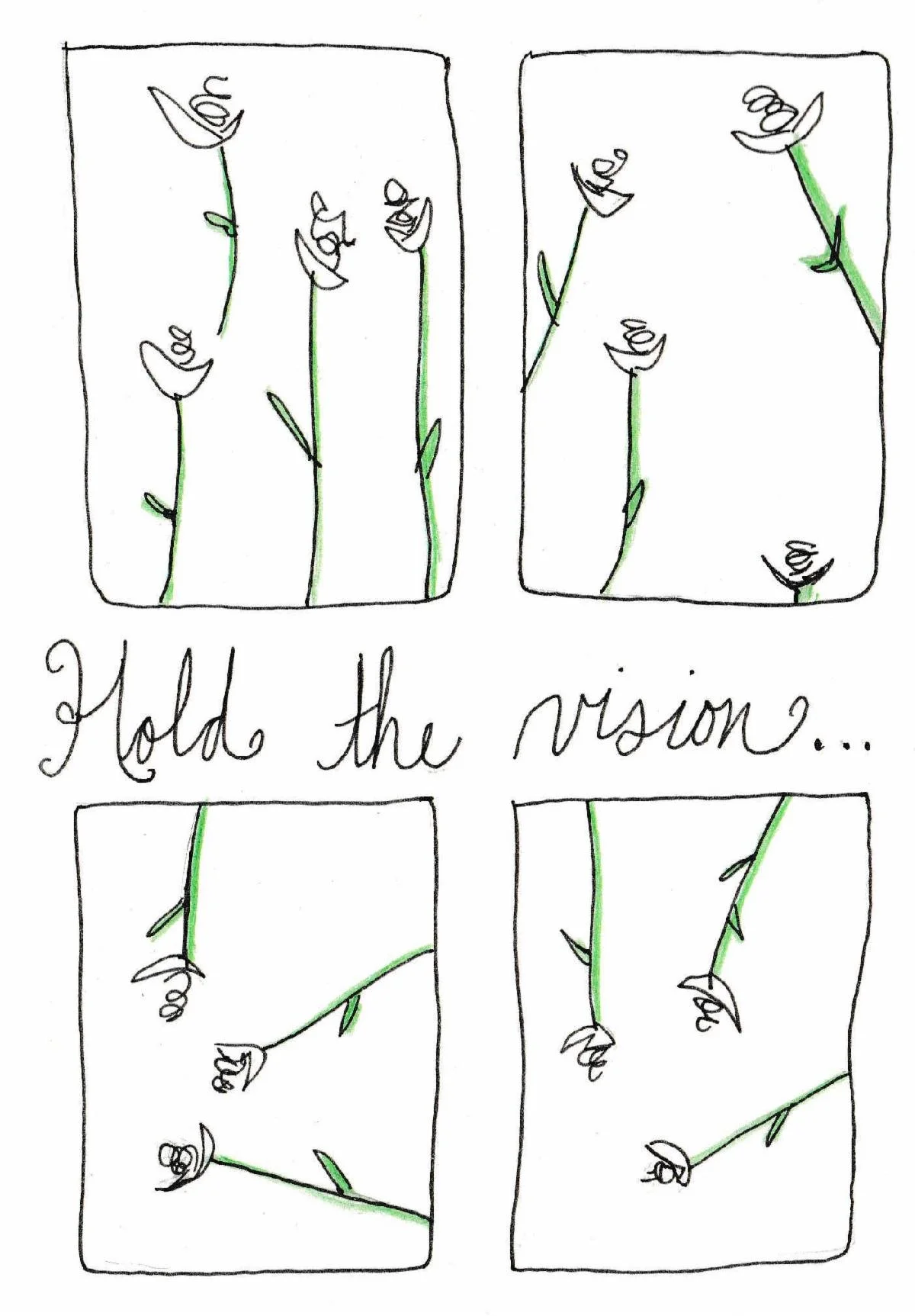
Have you always liked to doodle? Wish you could draw more in a low-key, freeing, self-directed way? Like making marks on the page for the pleasure of it? Now that summer has arrived, I’m super excited to share that I’ll be teaching a super fun online class in August. I’d love to work with you and a friend; mark your calendars. Sign-ups now open. 🥳

Here’s the scoop on my new four-week class, Drawing Doodle Comics for Fun and Enrichment: clickety-click.

Class description: COURSE DESCRIPTION:

Love to doodle or draw but haven’t drawn for a while? Or want to learn a new skill that is rich in narrative and creativity-building skills? Find comics entertaining and interesting? Want to depict memorable small moments from your own life or a character’s life for the joy of recording memories and everyday absurdities that amuse you? Or learn a few techniques that pleasantly blur the lines between drawing and diary? If the answer is yes to any of these questions, welcome aboard!

Nonfiction comics are a delightful blend of story compression, dialogue, drawings, and theme. Comics are an ever-malleable form that can encompass journal entries, a comic strip, experimentation with writing about the self as a character, and so much more.

Exciting News! Cover Reveal and Pre-Order Link! 💃

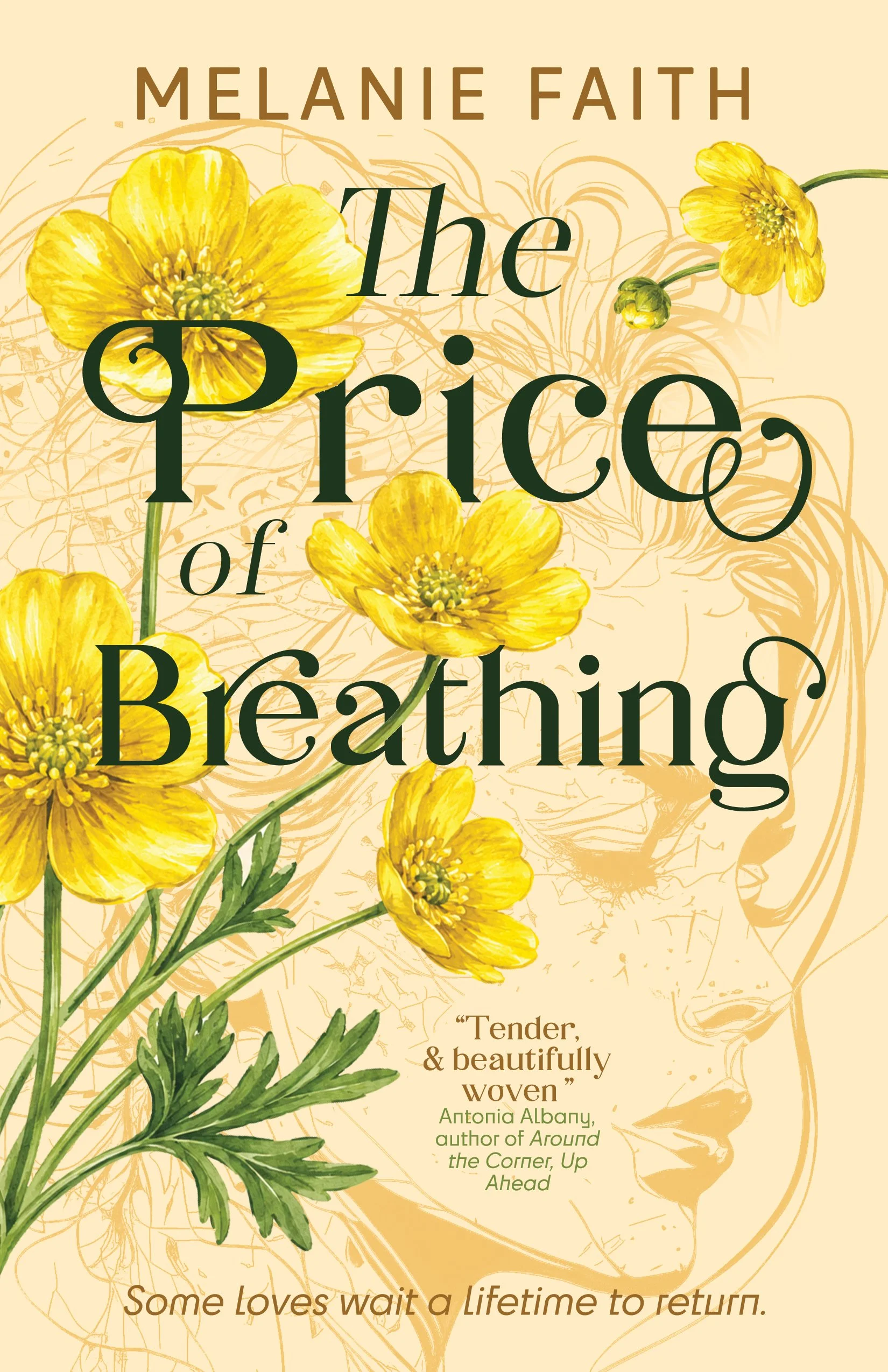
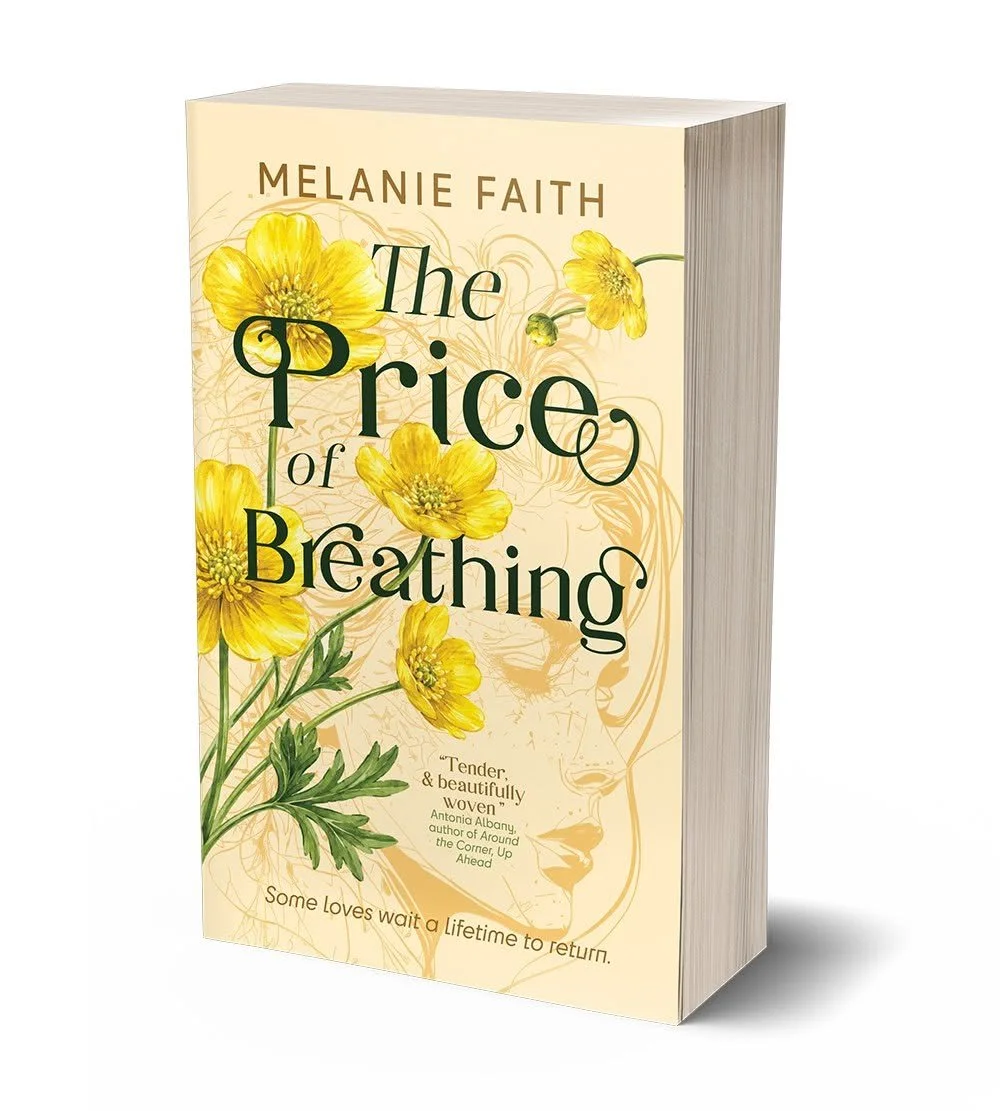
Super delighted to get to share the gorgeous cover for my latest poetry collection, The Price of Breathing.

Read more about the book’s plot and pre-order today at this link: Clickety-click to Vine Leaves Press!

Can’t wait to share this book for its book birthday in September, and many thanks to Vine Leaves Press and multitalented publisher Jessica Bell for this amazing cover design. I couldn’t be happier! Catch more of Jessica’s fabulous designs—I heartily recommend her work if you’re looking for a book designer or have a friend who is.

My Poem Featured 😊👍

Such a joy to be part of my friend Lee Ann Berardi Smith’s wonderful videos that celebrate National Poetry Month! Lee Ann has shared other poems of mine going back to the early days of the pandemic, and it’s such a pleasure to hear her read from my work.

Check out this video, where she reads my poem, “Matteo Runs Ahead,” as well as her other fantastic videos celebrating the art of poetry and many talented poets this month.

Clickety-Click

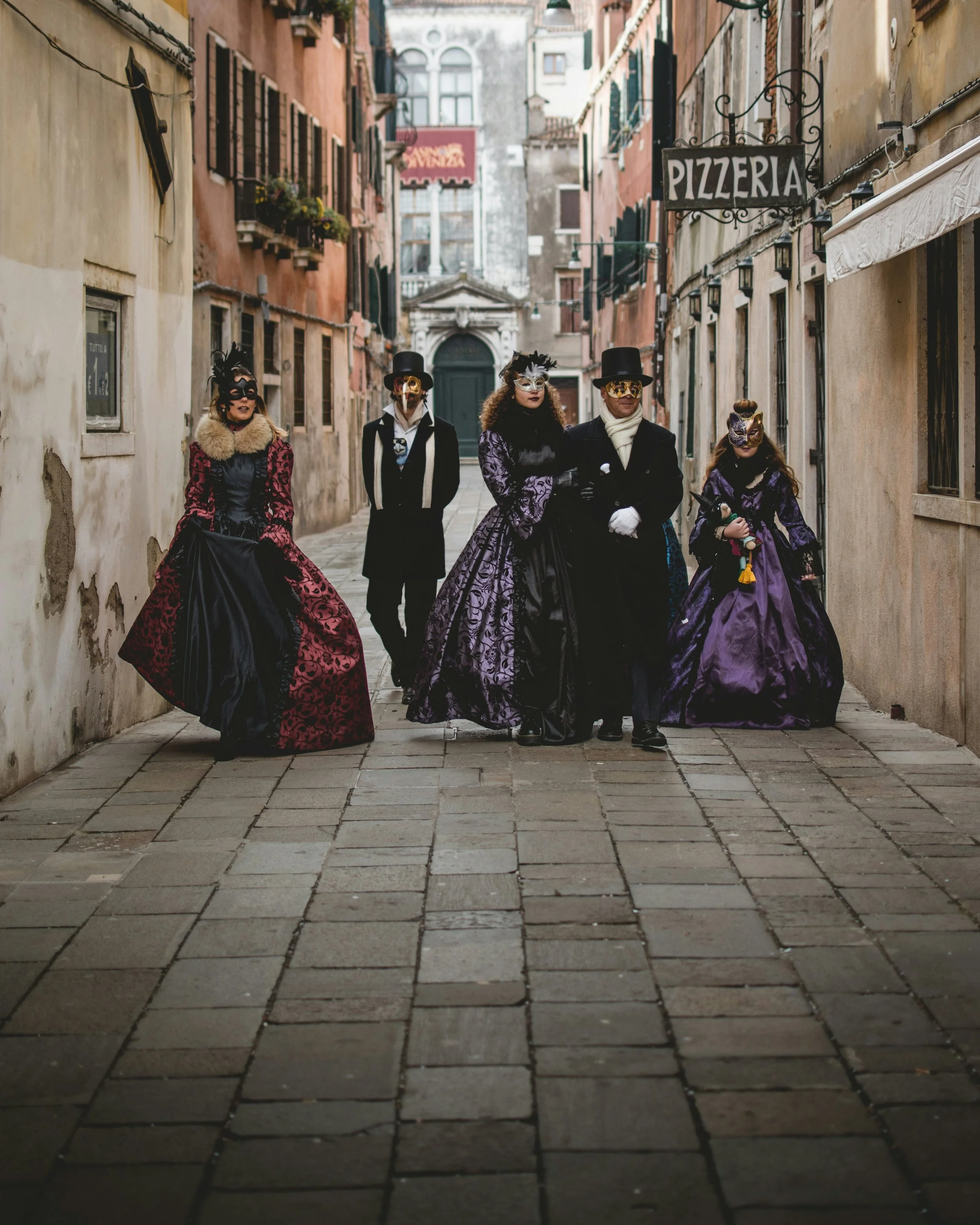
Free-stock Photo courtesy of Daiji Umemoto on Unsplash

An Article & A Poem Published!😊

Excited to announce that:

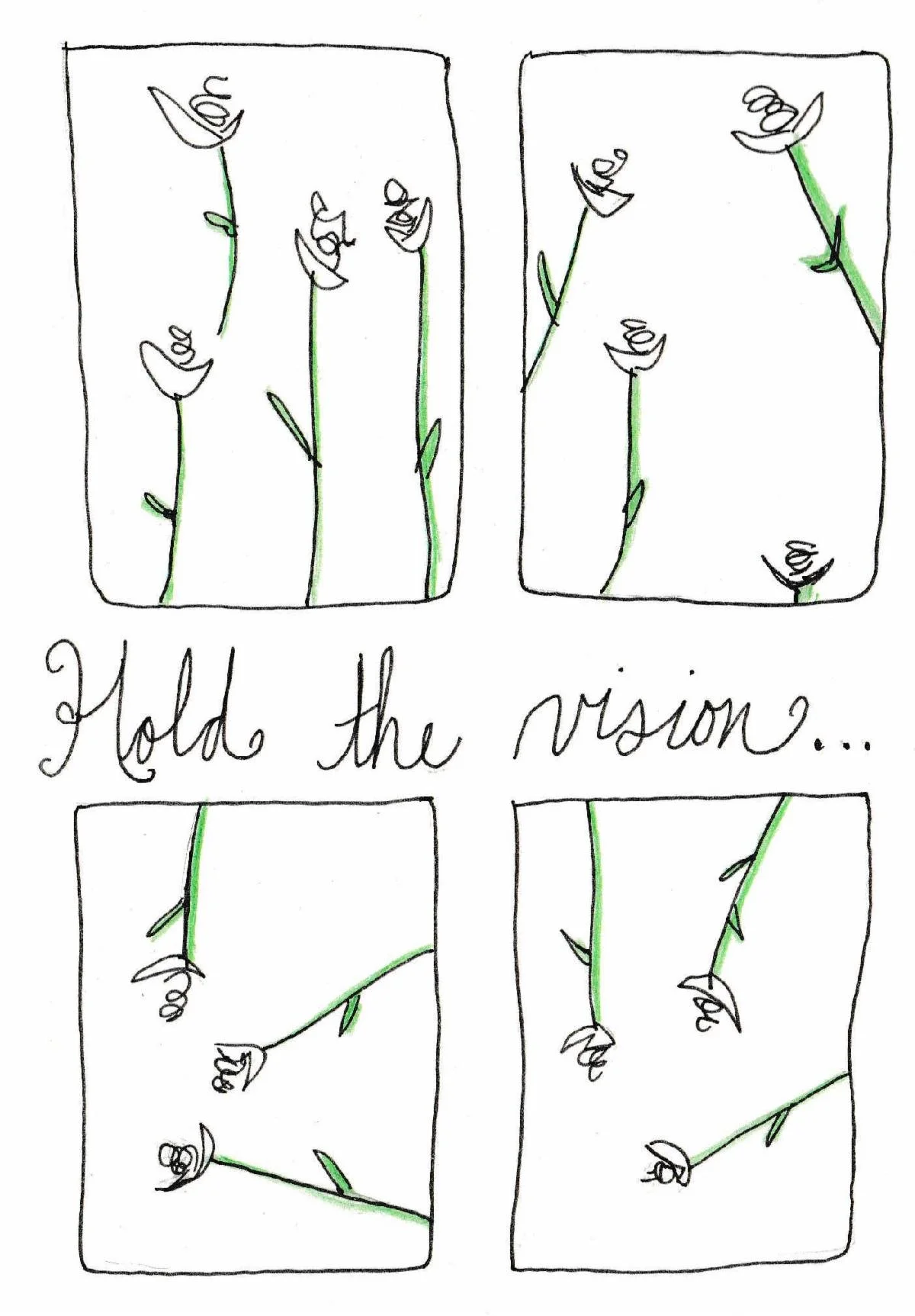
Doodle by yours truly.

·         An article I wrote (about writing more without stressing about it) was published in the WOW March 2026 Markets Newsletter.

·         A poem of mine about a science toy, “Newton’s Cradle,” was accepted and published at a great new venue, Flowers of the Field.

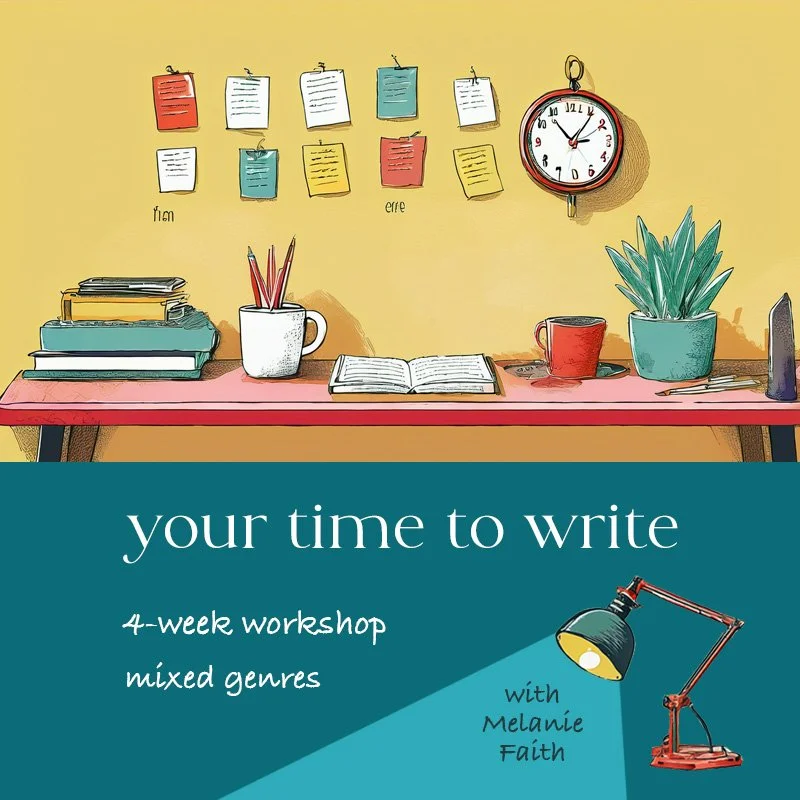
·         Looking for a very fun new online class? Check out: Your Time to Write! Starts Monday, March 16th. Sign-ups open!

To this continued writing life!😊

Courtesy of Women on Writing

On the Magic of Making New Work🎉

If you're thinking about taking a class to make time for your art and self-expression and creativity again, this is your gentle nudge to go for it! 😊

Shape-making for the win.


Like most photographers, I’m used to taking shots of others and of landscapes, not so much in front of the camera.


For the past 2 1/2 weeks, I’ve been a student in a wonderful photography class  @illuminateclasses called Self-Portraits for Growth, taught by the fabulous @itsamyliz .


This course has been magnificent for centering me in my body and also breaking open my vulnerability and artistic daydreams within my photographic process. It’s taking my photography to an exciting, evolving new level. 📸


You could try.

It’s been an absolute joy to see the work created by the many talented, inspiring photographers and to take photographs with intention and personal and artistic growth in mind again. 💗


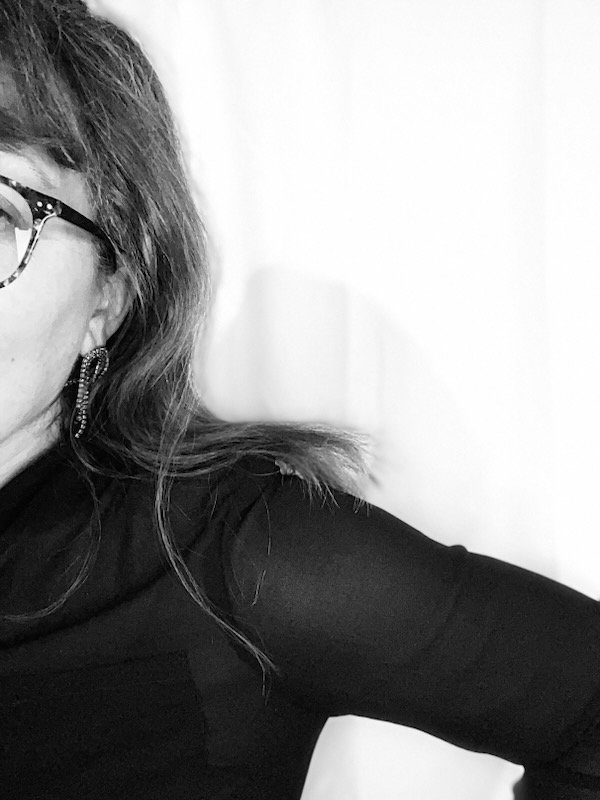
Here are a few of the shots I’ve made during the course as I make a new body of work.

I aim to sustain a regular photography practice again.


I also want to take the many insights I’ve gleaned from the written exercises, photography tips, the trial-and-error process along the way, double-exposure making, slow-shutter making, and more into creating more narrative-rich, fun photos in the future. .


Practicing any art—and especially practicing multiple arts—returns pieces of ourselves to ourselves and gives us new tools for expressing what we normally don’t. Tremendous gifts to unwrap and enjoy.

All that gold. 🍂


To continued inspiration!


My Article, "4 Epic Takeaways from Myths, Fairytales, and Folktales to Apply to Your Writing," Published Today! 🎉

Splendid news: I’ve had a craft article published today at Women on Writing. The topic is a very fanciful and fun one: “4 Epic Takeaways from Myths, Fairytales, and Folktales to Apply to Your Writing.”

Ta-da!

“4 Epic Takeaways from Myths, Fairytales, and Folktales to Apply to Your Writing”

by Melanie Faith

Stories based on myths, fairytales, and folktales have interested readers and have seen a remarkable resurgence in popular fiction and bestselling novels in recent years.  Authors like Sarah J. Maas of A Court of Thorns and Roses series fame and Madeline Miller’s Circe are household names.

First, let’s explore some exciting reasons why writers and readers alike find these stories compelling and inspiring.

·         They reignite our childhood imaginations. Most writers and readers fondly remember their favorite mythic characters. We grew up on their adventures, and it felt like we grew up with them, too.  Whether it was Cinderella, Little Red Riding Hood, The Frog Prince, or other Brothers Grimm fairy-tale protagonists or Hans Christian Andersen’s Thumbelina, The Little Match Girl, The Emperor’s New Clothes, The Ugly Duckling, The Wild Swans, or The Snow Queen, these stories populated library shelves and bookshelves in our rooms that take us back to our earliest days of being read to and reading on our own.

·         They connect us with timeless stories of human emotion. All of those bedtime stories influenced us as creative thinkers and helped us to learn empathy. I remember a Little Golden Book copy of Hansel and Gretel my dad used to read to us for bedtime stories that I begged to hear over and over, even though it also completely freaked me out with its tender, lost brother-and-sister duo, the gingerbread-house-residing scary witch, and that terrifying oven. I also remember well the beautiful, far-less-frightening treasury of children’s folktales with Rapunzel’s long, long tresses descending and dangling from a fortress tower.

·         They represent our heritages. Myths, fairytales, and folktales are popular throughout the world and in every culture. They feel embedded in our DNA almost. They transmit the values and customs appreciated within a culture. Whether these stories are translated into many languages or remain in their language of origin, they often share commonalities in theme, tone, and plot. Human nature explored with drama and humor and warnings and hope against all odds. These stories can sometimes offer well-paced and satisfying closure we seldom get in everyday life.  

·         They give us other worlds to retreat to and to savor in the midst of turbulence and turmoil. They are epic recreations of stress and struggle with protagonists with whom we can identify. They also give us deeper insight into our own times and our place within them. These are some of the many reasons why stories based on Greek and Roman myths as well as entirely new world-building settings continue to flourish.


What can we take from fairytales to apply to our own writing? Try these four tips:

·         Every protagonist needs a sufficiently powerful antagonist to contend with. If the antagonist doesn’t unleash enough consequences and trouble, the protagonist won’t need to rise to the occasion to protest and triumph. Make sure your antagonists cause enough conflict in your narrative. This is one of the most common reasons for ho-hum fiction that gets rejected. What is your protagonist’s worst fear? That should inform your antagonist’s next moves.

·         When the chips are down, they are never completely defeated. Make sure the larger implications of the conflict are explored in vivid detail so that your readers can imagine the anxious situation and feel it as they read. Embed a small foreshadowed detail to maintain the hope that eventually will prevail.  

·         Setting is significant. Nothing should happen in a vacuum. Where and when a story takes place are vital elements to good storytelling. Add visual images, references to music and art and books and important popular culture of the time, and landscape or architectural details to flesh out scenes, especially near the beginning of a longer work to create vibrant context. Research settings and eras with an eye towards intriguing tidbits to share in your tale. Readers really want to feel like they, too, are stepping into and roaming around the protagonist’s authentic world.   

·         Protagonists don’t need to say a lot at once to have a big impact. Actions and reactions are just as important, if not more so, than dialogue. Definitely write conversations into your tale, but keep dialogue as direct, pertinent, quickly paced, and resonant as possible. Protagonists don’t have time for long-paragraph speeches and explanations before springing into action. The clock is tick-tick-ticking! Show their determination and concern with their actions, rather than their pronouncements.  


The next time you open your draft-in-progress, consider applying these tips to create more vital, vibrant prose. Also, join us for my new upcoming course with further tips about crafting your own riveting protagonists and worlds that will keep readers returning again and again.

Want to learn more? Writing the Mythic: Penning Prose Exploring Myths, Fairytales, and/or Folktales starts on Friday, April 18th. I’d love to have you join us. 😊
Beautiful illustrations courtesy of Women on Writing.

My Dramatic Monologue Published! 🎉

Excellent news! A poem of mine with a new character in a historical poetry series I’ve been working on was just published today at Songs of Eretz!

Check out the poem, and then head over to the issue to read my complete notes about the poem, to see a historical photograph of an iron lung, and to read the work of the talented fellow poets in the issue, which is dedicated to dramatic monologues. 🎉

Flora in the Iron Lung and the Mirror

Melanie Faith


I don’t want to be a complainer. It’s good,

it’s exceedingly good that you’re here. You

came all this way. You look well. You look

so handsome, but then, you always did. I wish

I could reach out of this machine and touch you

after all this time. I wish… well,


let me dwell on something

easier. Let me tell you something nice

Sister Mary Joseph, the afternoon nurse, did.

She’s the young one who wrote to you. Yes,

her penmanship is impeccable. Well,

she sat reading to me. One day,

out of nowhere, she stopped

mid-sentence, and she looked over


and something like sunlight broke over

her face: You know, I see no reason why

we couldn’t jimmy-rig a mirror

right up here. She put the book

upside-down on her seat. That’s how

my machine grew this mirror. She left the room,

came right back.


Sister Mary Joseph’s the tall one—

you haven’t met her—

it didn’t take much for her to reach up and

add it to my machine. You could call it

a fancy modification for my entertainment,

my instant twin and constant company.

I make faces at myself now

into the long hours when there’s nobody

and nothing else.


You’d be surprised on

an endless stretch of days, how many faces

you can pull—butterfly-pinned as I am

inside this darned machine—with just a nose,

two lips, a tongue, and two eyes that

never stop seeing.


Poet’s Notes: This poem is a part of a recent collection I’m working on writing about (among other things): an iron lung, a librarian, and a love triangle. This poem explores polio patient Flora, whose childhood flame, Harry, visits her sickbed. This visit sets off the conflict between Harry and his current love, Helen (the protagonist librarian).   

Read the rest at Songs of Eretz, Winter issue.

My Article Published: "Finding Your Fiction Draft’s Best Beginning" 🎊

Thrilled that my article, “Finding Your Fiction Draft’s Best Beginning,” was published today at Women on Writing. Read the article below, and take the exercise for a spin.

Also check out this link to my new online class, FROM BETTER TO BEST: Writing Fictional Beginnings that Hook Readers, that begins Friday, January 24th. 😊

Without further ado: ta-da! 🎊

“Finding Your Fiction Draft’s Best Beginning”

By: Melanie Faith

 Here are three things that share a commonality: home renovation, finding a supportive life or business partner, earning a degree. What’s their similarity? 

While you think about it, let’s ponder our attention spans, which have grown quite a bit shorter in recent years. Think about how quickly we move onto the next book, song on streaming, or post on social media if it doesn’t grab our attention and hold it. Add to that the fact that publishers receive thousands of manuscripts a year, all vying for attention, and it’s pretty staggering.  

So, what do our initial three examples have in common? They all require a big time investment (often much longer than anticipated) and tend to test our patience at various steps until we reach our goal. If there are consistent through lines in life, it is that most of our efforts require regrouping, refining, and numerous revisions.

With so much streaming content and instant entertainment available and so few minutes of free time each day, it’s even more important than ever that we writers intrigue our readers from the start or else there’s a world of other options they’ll choose from. Gone are the days of the slow-burn build-up of a few pages. While it takes more time and effort to rewrite opening pages, it’s well worth it to hook our readers.

What should we do to ensure that our beginnings make a positive, have-to-keep-reading-this impact?


·         Bring in the Buddies: Have you looked so often at your draft that your brain is tired? Or are you moderately sure your opening is fine, but then again… An external reader can be invaluable, either way. Props if they are another author, but they don’t have to be. Give your first pages/chapter to willing friends or colleagues and ask what one passage they liked best; this is the element that should front-end your next draft.  Feel free to get the opinion of another reader or two, but don’t ask so many readers that you get numerous conflicting opinions, which can be confusing. In my own experience, asking between one and three readers is a sweet spot to get the perfect amount of feedback on whether my current opening works well. If your readers are also writers, make sure to return the favor for them sometime. Another option: send just the first page and have them note what they think is the most interesting or important line. This really zeroes in on whether the current opening lines flop or fly.   


·         Heed the Hunch: You know that line that made you smile when you wrote it? That line that sort of shimmered from the page or made you stop and feel surprised?  That little jolt of wow or that little tickle of hmmm is your inner writer letting you know that something impactful has just landed on the page. If that passage is already on your first page, great! Leave it there. But if it’s not, what if you moved it forward? I’ve often moved favorite lines forward and then either cut out the original opening and written transitions to the latter parts of the chapter or merged the original opening into other parts of the manuscript. Either method can work well, depending on the story’s needs and your own preferred editing methods.


·         Skip Ahead: Newsflash: your first chapter doesn’t have to be your first chapter. Let me rephrase that: the chapter that’s currently first may actually not be the best final-draft opener. Instead, a second, third, or even later chapter might hold a more compelling way to open your narrative. Feel free to move a scene or a whole chapter forward.


Try this exercise! Reread your draft’s current opening page or two and answer these questions (or ask a friend) to see if you might have a better opening that’s currently much later in your draft:

·         Is there action in the opening scene?  

·         Is there immediate conflict for the protagonist to struggles against?

·         Is it clear from the first page or two who is telling this story?

·         Is the protagonist compelling in this first chapter?

If the answer to any of these questions is “not really” or “not as much as there could be,” then it’s likely you have a faster-paced, more absorbing opening scene that you could move forward. Remember that editors, agents, and readers need your opening hook to grab their attention on page one or else they could stop reading. Sharpen the imagery, characterization, dialogue, or setting that will keep those pages turning.


Photo courtesy of Eilis Garvey and Unsplash.com.

Path of Discovery: An Interview with Literary Titan! 🥳

Recently, I had the great pleasure to speak with Literary Titan about my writing path, what inspired me to write my latest poetry book, what I hope readers will take away from my work, and what I’m most recently working on.

Path of Discovery Interview at Literary Titan Clickety-Click!

Looking for a riveting read and a great holiday gift for the readers in your life? Copies of Does It Look Like Her? are available now at Amazon or for signed copies, check out my Write Path Productions Etsy page.

My Poem Published in Dulcet! 🦄

Thrilled to announce that my poem. “Legacy,” was published today in Dulcet! My poem is on page 44. The theme is “Moonglades: A Reflective Issue.”

It’s also a great joy to be publication twins with my talented friend, Terri McCord; check out her amazing poem, “the world turns pointillist,” on page 21!

Dulcet is open for submissions. Check out their theme calls and submission guidelines at: clickety-click.

Photo courtesy of Camille Brodard at Unsplash.com.