

Photo by Sharon McCutcheon on Unsplash
A NaNoWriMo Interview with Christin Rice :)
Happy Week Two of NaNoWriMo November!
After clocking in my writing this morning, my tally is holding steady at 8,181 words and counting. I’m 100% certain that I wouldn’t have written half this much without the daily writing practice.
But don’t take my word for it: I’m thrilled to introduce fellow novelist, MFA graduate, mom extraordinaire of a super-cute baby daughter, and all-around awesome friend, Christin Rice, who kindly talked with me earlier today about her NaNoWriMo 2019 journey.
*What inspired you to take part in the challenge?
I really like a short term challenging challenge, especially for writing. It propels me and a project forward to have a short-term focus, knowing I can work at a pace that would be unsustainable in the long-term. In my pre-baby life, I could do back to back challenges like that, but with a nine-month old I am focusing on just the month of November.
I also was realizing how good the timing was: December writing is always interrupted by holiday stuff. I travel in January whenever possible.
And my baby turns one in February which is my self-imposed deadline to figure out when/how/what to go back to work. Which means if I want some pages of first draft, November is my best bet. That's good motivation to just get going and keep going.
*What project are you working on?
It's a new novel, and man it feels GREAT to work on first draft fiction. I haven't done that in a year because I've been focused on revising a novel, then writing some creative nonfiction, and oh yeah, having a baby.
The novel is not about IVF and infertility, but that plays a big part in what is happening in the character's lives.
It's really fun to mine some of my direct experience, but put it in a very different context and explore how complicated it can all be through two complicated female characters (I looooove complicated female characters).
*Anything else you'd like to share about the NaNo process?
Don't revise while writing!
Don't let yourself read more than one paragraph back, and that's just to ground yourself on where to go next. You can revise in December, but no editors in your head in November.
Check out more of Christin’s amazing writing at her blog: Invincible Summer.
***
Taking your own NaNoWriMo 2019 journey? I’d love to talk to you about your project. Email away.

Photo by Tim Mossholder at unsplash.com .
Super-Quick NaNoWriMo Challenge Update :)
NaNoWriMo Day #4: Thanks to the time change and direct sunlight after so much rain, I'm energized to write this morning.
216 words and counting.
Cheering on my fellow wordsmiths.
Back to my blinking cursor...
Photo by Joanna Kosinska on Unsplash.

Like Writing down the Bones and The Artist's Way?
Just in time for NaNoWriMo! If you liked Bird by Bird and other craft books, check out In a Flash and these nifty videos my awesome publisher created.
Writing down the Bones style
Writing coach and publishing advisor style
Invest in your writing today. All three titles in my Flash Writing series are now available, including the pre-order for Photography for Writers.

Pre-Order Photography for Writers Today!
Thrilled to share the news that my next book, Photography for Writers, is now available for pre-order! Check out this AWESOME video that Vine Leaves created, featuring my book and some of my photography.
Pre-Order Video

Photography for Writers-- Holding the First Print Copy :)
Super excited for my next book, Photography for Writers, which will be published this November. Stay tuned!
That holding the first author copy feeling! 💕🔥📝📷😭😍💡

"Food Writing: Introducing the Quotable Yum Factor" Article Published :)
So pleased that my article was published as a Spotlight article at Women on Writing this week. I’ll also be teaching a themed online writing class in September (scroll to the end of the post for the link to the course and more details).
“Food Writing: Introducing the Quotable Yum Factor”
By Melanie Faith
I’ve been a quote collector from way back. I can’t help but relish words of wisdom on the topic of food that demonstrate not only eating but also sharing our love for nourishment through writing is just about the best thing since, well, sliced bread.
Why food writing? you ask. Let’s take a look at three quotes that explore just why food writing sustains and entertains writers and readers:
· “First we eat, then we do everything else.” -M.F.K. Fisher
Think back to some of your first memories; most of these remembrances likely involve food, food preparation, eating, snacking, or all of the above . Do these memories involve a birthday party? There was certainly cake with decadent, butter-rich icing or the waft of cocoa powder at the first slice. What about memories of a yearly special occasion shared around the table with family and friends, like the first savory bites of Grandma’s Thanksgiving stuffing with the pecans and what was that delicious spice she always winked and called her “secret ingredient”?
Food has an undeniable connection to place, culture, and time period that can inspire evocative writing. We often recall not just what we ate and how it tasted (which is a sensory feast enough) but who we were with (or not with), the location, and other events that were occurring while we noshed.
Food brings both comfort and spark points for poetic prose and narrative verse. Try this: set a timer for fifteen minutes and make a list of foods or dishes from your growing-up and teen years and your young adult days. Any of these foods could make great material for a free write, because they are connected to wider experiences and places in your past or present. Combine setting details with food details for a richer mixture.
· “Life is uncertain. Eat dessert first.” -Ernestine Ulmer
Feel the push-pull in the above quote? That’s part of what makes it delicious, non? Tension and conflict, two hallmarks of literature, are perfect companions for writing about food as well.
As a creative-writing teacher and bookworm, I’ve read many scenes
in novels and nonfiction manuscripts where food served as a backdrop or symbolism for the deeper struggles in characters’ or speakers’ lives.
For example, you might combine a protagonist who is scared to tell his love interest something about his past with a breakfast scene in which he prepares his love’s favorite waffles. How does he avoid telling this truth, using the food as a go-between? How does he work himself up to sharing this secret? Dialogue as well as description of his actions and the food all work together to deepen the writing.
· “I have made a lot of mistakes falling in love, and regretted most of them, but never the potatoes that went with them.” -Nora Ephron
Mistakes in life and/or love, who hasn’t made some? Ephron’s quote reminds us, as writers, to employ wry humor as we look back on our pasts. It also reminds that, as disappointing or frustrating as things became, there were silver linings that sustained us.
Cooking and writing, too, share the need for a healthy sense of humor and a silver-lining attitude. Ever made a cake, following the entire recipe, but the cake fell flat or never rose at all. [Instructor raises her hand.] Ever written a draft that seemed so promising and then either stalled mid-draft or just didn’t go in a direction you expected? [Instructor’s hand again goes up.]
Food writing has two great strengths: one, there is the opportunity for humor (perhaps something unexpected, non?). I’ve read hilarious blogs and essays where a writer takes a kitchen disaster or restaurant meal gone wrong and serves up a wider truth about how we rebound and try, try again.
Also, food writing encompasses many, many genres. Its versatility is part of the reason why I love writing food scenes and, for several years now, teaching a writing workshop to encourage others to do so.
· Like poetry? Try “Figs” by D.H. Lawrence, “Ode to the Onion” by Pablo Neruda, or “After Apple-Picking” by Robert Frost.
· Enjoy personal essays and food-journal articles? How about anthologies with both? Try the annual The Best American Food Writing books for inspiration.
· How about travel writing? Yep, food writing also falls under that category, such as blogs that detail the best bistros and taco trucks in your town or city.
· I haven’t forgotten the prose writers. Many novels include scenes or even whole chapters where food plays a significant part in the narrative. The examples and sub-genres of fiction that involve food are endless, such as: classics like the party scene in Fitzgerald’s The Great Gatsby to children’s books like Cloudy with a Chance of Meatballs and Charlie and the Chocolate Factory, YA like Stephanie Burgis’ The Dragon with a Chocolate Heart, Contemporary Fiction like Kirstin Chen’s Soy Sauce for Beginners, Romance like Yolanda Wallace’s Month of Sundays, Historical Fiction like Crystal King’s Feast of Sorrow: A Novel of Ancient Rome and Philip Kazan’s Appetite, and many more.
Go ahead: do a little “food-writing research” today. Pick one of the above food-writing genre examples and research and/or read the piece(s). Then, give food-writing a go on your own. Whether in poetry, prose, or a combination of both, your writing is sure to be richly filling and enhanced with eating imagery.
I’ll be teaching an online writing class, beginning Friday, September 13th. Just four more openings left. Click for more details about this delicious course. Food Writing for Fun and Profit.

Another from Particle: "Awake" :)
Thrilled to share another illustrated poem from my poetry-project collaboration with the uber-talented artist (and fellow writer— check out her exquisite poems, too!) @annabelle_fern.
This poem’s called: “Awake.” Enjoy! Stay tuned for more. :)

Publication of 5 Photos from My Artifact Series :)
A new series featuring utilitarian objects that have had great meaning in my life has been published today at The Local Train Magazine.
To catch the first five photos in the series that I started this spring, please visit the magazine link above. More to follow in this series! Stay tuned. ;)
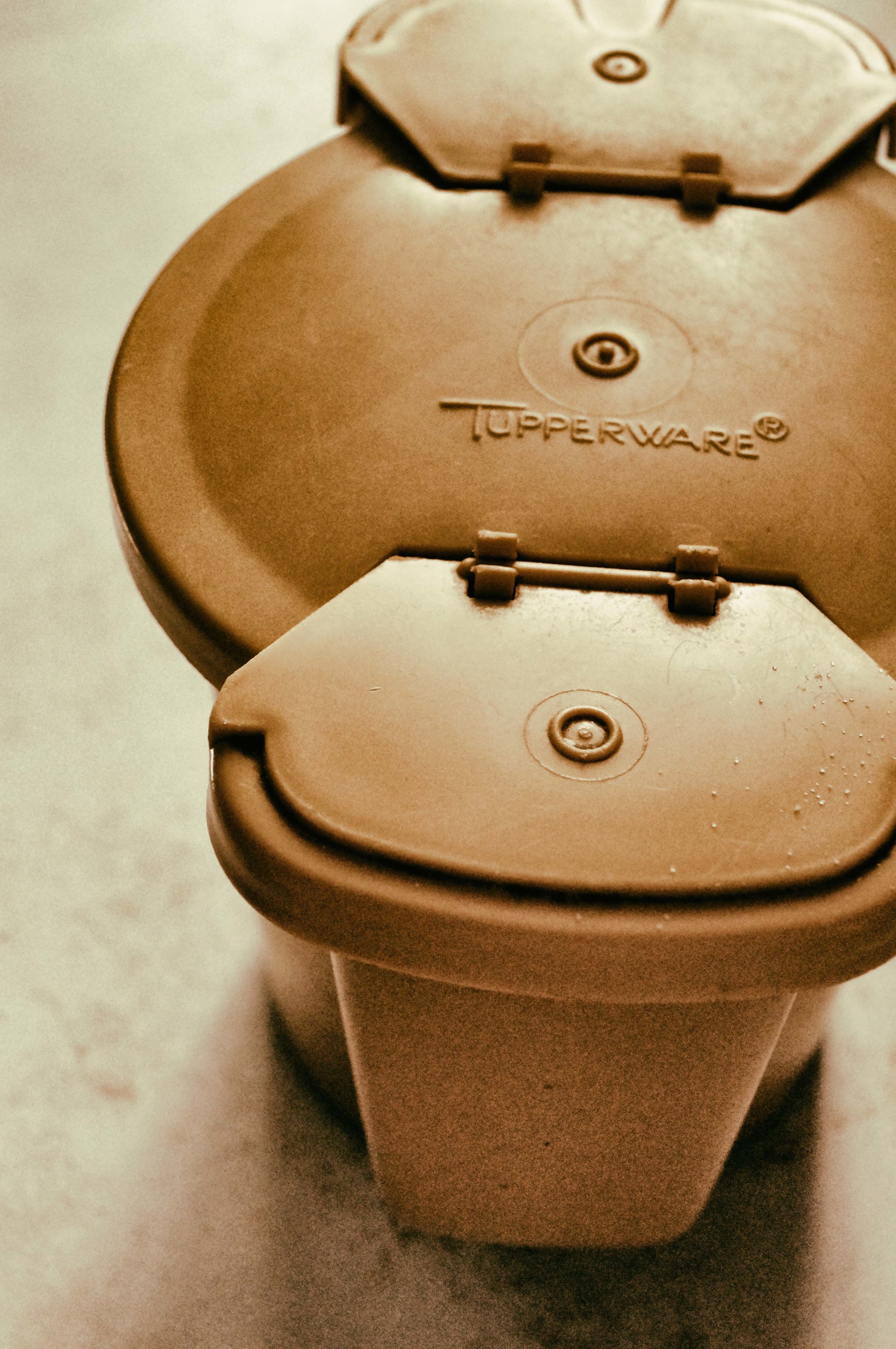
Below, one of my favorites, “Sugar Bowl Smile.”
New Video :)
Check out this cool new video my publisher made with a quote of mine on the theme of why reading is vital to our lives.

photo by Thought Catalog at unsplash.com