At long last, it’s release day for my new book, Photography for Writers!
Buy your copy today at Vine Leaves Press. Signed copies also available, via my WritePathProduction Etsy Shop or via pm.
Photo by Adi Goldstein on Unsplash .
Photo by Adi Goldstein on Unsplash .

So pleased that my article was published as a Spotlight article at Women on Writing this week. I’ll also be teaching a themed online writing class in September (scroll to the end of the post for the link to the course and more details).
“Food Writing: Introducing the Quotable Yum Factor”
By Melanie Faith
I’ve been a quote collector from way back. I can’t help but relish words of wisdom on the topic of food that demonstrate not only eating but also sharing our love for nourishment through writing is just about the best thing since, well, sliced bread.
Why food writing? you ask. Let’s take a look at three quotes that explore just why food writing sustains and entertains writers and readers:
· “First we eat, then we do everything else.” -M.F.K. Fisher
Think back to some of your first memories; most of these remembrances likely involve food, food preparation, eating, snacking, or all of the above . Do these memories involve a birthday party? There was certainly cake with decadent, butter-rich icing or the waft of cocoa powder at the first slice. What about memories of a yearly special occasion shared around the table with family and friends, like the first savory bites of Grandma’s Thanksgiving stuffing with the pecans and what was that delicious spice she always winked and called her “secret ingredient”?
Food has an undeniable connection to place, culture, and time period that can inspire evocative writing. We often recall not just what we ate and how it tasted (which is a sensory feast enough) but who we were with (or not with), the location, and other events that were occurring while we noshed.
Food brings both comfort and spark points for poetic prose and narrative verse. Try this: set a timer for fifteen minutes and make a list of foods or dishes from your growing-up and teen years and your young adult days. Any of these foods could make great material for a free write, because they are connected to wider experiences and places in your past or present. Combine setting details with food details for a richer mixture.
· “Life is uncertain. Eat dessert first.” -Ernestine Ulmer
Feel the push-pull in the above quote? That’s part of what makes it delicious, non? Tension and conflict, two hallmarks of literature, are perfect companions for writing about food as well.
As a creative-writing teacher and bookworm, I’ve read many scenes
in novels and nonfiction manuscripts where food served as a backdrop or symbolism for the deeper struggles in characters’ or speakers’ lives.
For example, you might combine a protagonist who is scared to tell his love interest something about his past with a breakfast scene in which he prepares his love’s favorite waffles. How does he avoid telling this truth, using the food as a go-between? How does he work himself up to sharing this secret? Dialogue as well as description of his actions and the food all work together to deepen the writing.
· “I have made a lot of mistakes falling in love, and regretted most of them, but never the potatoes that went with them.” -Nora Ephron
Mistakes in life and/or love, who hasn’t made some? Ephron’s quote reminds us, as writers, to employ wry humor as we look back on our pasts. It also reminds that, as disappointing or frustrating as things became, there were silver linings that sustained us.
Cooking and writing, too, share the need for a healthy sense of humor and a silver-lining attitude. Ever made a cake, following the entire recipe, but the cake fell flat or never rose at all. [Instructor raises her hand.] Ever written a draft that seemed so promising and then either stalled mid-draft or just didn’t go in a direction you expected? [Instructor’s hand again goes up.]
Food writing has two great strengths: one, there is the opportunity for humor (perhaps something unexpected, non?). I’ve read hilarious blogs and essays where a writer takes a kitchen disaster or restaurant meal gone wrong and serves up a wider truth about how we rebound and try, try again.
Also, food writing encompasses many, many genres. Its versatility is part of the reason why I love writing food scenes and, for several years now, teaching a writing workshop to encourage others to do so.
· Like poetry? Try “Figs” by D.H. Lawrence, “Ode to the Onion” by Pablo Neruda, or “After Apple-Picking” by Robert Frost.
· Enjoy personal essays and food-journal articles? How about anthologies with both? Try the annual The Best American Food Writing books for inspiration.
· How about travel writing? Yep, food writing also falls under that category, such as blogs that detail the best bistros and taco trucks in your town or city.
· I haven’t forgotten the prose writers. Many novels include scenes or even whole chapters where food plays a significant part in the narrative. The examples and sub-genres of fiction that involve food are endless, such as: classics like the party scene in Fitzgerald’s The Great Gatsby to children’s books like Cloudy with a Chance of Meatballs and Charlie and the Chocolate Factory, YA like Stephanie Burgis’ The Dragon with a Chocolate Heart, Contemporary Fiction like Kirstin Chen’s Soy Sauce for Beginners, Romance like Yolanda Wallace’s Month of Sundays, Historical Fiction like Crystal King’s Feast of Sorrow: A Novel of Ancient Rome and Philip Kazan’s Appetite, and many more.
Go ahead: do a little “food-writing research” today. Pick one of the above food-writing genre examples and research and/or read the piece(s). Then, give food-writing a go on your own. Whether in poetry, prose, or a combination of both, your writing is sure to be richly filling and enhanced with eating imagery.
I’ll be teaching an online writing class, beginning Friday, September 13th. Just four more openings left. Click for more details about this delicious course. Food Writing for Fun and Profit.


Photo courtesy of: @kylejglenn, unsplash.com
COURSE DESCRIPTION: Flash is a dynamic, fun genre that more and more editors seek. Both flash fiction and flash nonfiction share many of the same qualities, from characterization and setting to conflict and dialog.
In this five-week workshop, we’ll explore this eclectic art form and everything you’ll need to have a lively flash-writing practice, from where to get ideas and drafting to editing and submitting your work. We’ll discuss practical tips and techniques along with inspiring exercises from our text, In a Flash!: Writing & Publishing Dynamic Flash Prose, by Melanie Faith. Students will submit drafts weekly for constructive and supportive instructor feedback. There will be a private group for students to discuss the literary life and for sharing of literary resources, such as markets and quotations about the writing process.
COURSE DESCRIPTION: “Fiction, like dreams, exists in images... Fiction must exist in images, not abstractions,” wrote John Dufresne. Indeed, the ability to develop imagery is important in all forms of writing, from poetry to essays and all sorts of descriptive writing. The art of photography, an evocative visual art, frequently helps authors hone our image-seeking and development skills. There won’t be technical jargon of F-stops or aperture priority in this course and you are free to use any form of camera you already own and love—from camera phone to digital, DSLR to Lomo, instamatic, you name it; this class is about cracking open the everyday extraordinary, about the kind of seeing and focusing on detail that will enhance your writing and spark ideas for months to come.
In this four-week workshop, we’ll take a daily photo-taking prompt for a spin, post our response, and describe what inspired each photo at our class group. During the second week, you will begin a piece based on one of the photos you’ve taken that you will share (in part as an excerpt or in full, up to you) with the class during our fourth week. Handouts on topics covered will include: Truthiness: Adding Layers to Your Art with Art; The Genesis and Development of Imagery: Example Sheet of Published Work; Submitting Your Work to Literary Magazines & Other Venues Looking for Photos: Cover Letter Tips; Photographic Resources to Check Out!; Tips for Writing about [Our] Art; How to Match Your Photographic Style to your Writing Style; Ekphrasis and You: Writing in Tandem with the Visual Arts; and Tips for Writing Fabulous Writer/Artist Bios. There will be a private group for students to discuss our creative process and share daily responses to each prompt and for sharing of literary resources, such as markets and quotations about the image-making process.
COURSE DESCRIPTION: Ever wonder how to go from scratching drafts in a notebook to sending poems to literary magazines that will get chosen for publication? Ever pondered what editors look for in literary journal submissions? How should we keep track of poetry submissions, and should we do that odd thing: “simultaneously submit?” Ever started a manuscript only to find it all a bit daunting to know what poems to include and which to omit? Want to prepare a chapbook or full-length collection but not sure where to start? How do we get past stalled drafts or stalled manuscripts to persevere and find our writing and reading community? If you've wondered any of these questions, then this is your workshop! Learn real-world, first-hand advice and tips from a poet who has judged poetry contests, published chapbooks and a full-length collection, and regularly submits poetry to literary magazines. Just because it’s chockfull of practical information, doesn’t mean it won’t be fun.
In this four-week workshop, we’ll explore what literary magazines look for in submissions, how the instructor as well as several other poets put together chapbooks and/or larger collections of poems, and insider advice for editing work with an eye towards publication. Students will read Ordering the Storm: How to Put Together a Book of Poems edited by Susan Grimm as well as excerpts from Poetry Power by Melanie Faith. There will be a private group for students to discuss the literary life, ask specific questions related to putting together a submission and/or manuscript, and for sharing of literary resources, such as markets and quotations about the poetry writing and submission process.
Topics covered will include: Best Foot Forward: Arranging a Poetry Manuscript; Journey without a Map; Finding, Unifying, and Revising the Body of Our Work; Throwing Poems at an Editor to See If They Stick; Keeping Company: Thoughts on Arranging Poems; Write Opportunity, Wrong Timing; Wild Cards: 8 Tips for Choosing Poems for Submission; The Art of Offering Feedback; The Plandid and Other Splendid Editing Options; Lavender Disappointment: on Adjustment of Expectation and Stalled Drafts; 76 Rabbits out of a Hat: or: The Quirky Tale of How One Poem became a Whole Book; 21-Century Publishing & Guidelines for Finding Your Ideal Audience; Spring out of a Writing Rut! 8 Tips for Getting back to Business, and more.

Photo courtesy of: @fotografierende, unsplash.com


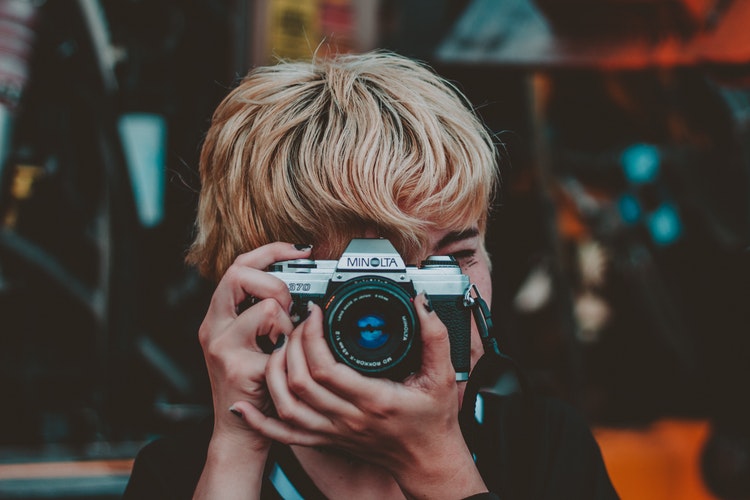
Photo courtesy of Alfonso Reyes, https://unsplash.com